
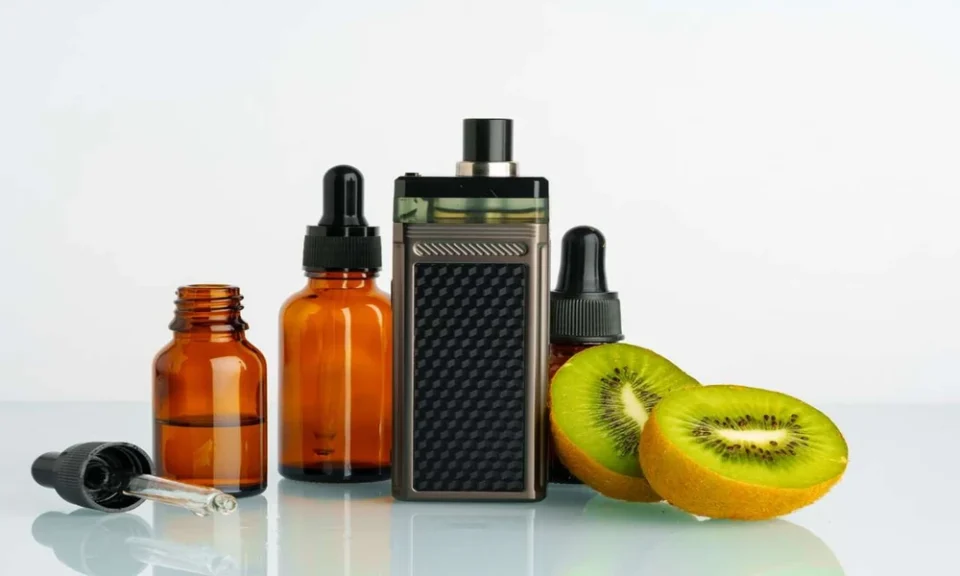
One structural detail distinguishes THCA from delta-9 THC, an extra carboxyl group attached to the molecule. This small cluster of carbon, oxygen and hydrogen changes the compound’s shape, weight and behaviour, keeping the acid form non-intoxicating in its raw state while delta-9 THC works actively from the start. Every other difference between the two traces back to this single group and what happens when it leaves.
Heat removes that carboxyl group in seconds, which is the working principle behind thca cartridges and the reason their raw contents differ from what the user actually inhales. Side by side, the differences line up clearly.
Carboxyl group difference
THCA carries a carboxylic acid group where delta-9 THC has none, making the acid form the larger and heavier molecule of the pair. The “A” in its name points directly to that group, and chemists use the acidic form label for the same reason. One attachment defines the entire naming split between these compounds.
Key contrasts at a glance:
- One molecule holds the carboxyl group, the other lacks it entirely.
- The acid form weighs more; its twin stays smaller and compact.
- Raw acid form stays non-intoxicating, and delta-9 THC works actively.
Nearly identical on paper, the two behave completely differently because of one attachment point.
Receptor fit contrast
Delta-9 THC’s compact shape slots neatly into CB1 receptors, which is where its activity begins. Binding happens quickly and firmly, and the body responds to that connection almost immediately after the compound arrives.
Carboxyl group blocks that same snug fit, so the raw molecule passes through without strong binding. Receptors simply cannot close around the bulkier acid form the way they close around its compact twin. Chemistry sets the lock and key, and the acid group keeps the key from turning until the heat files it down.
Heat conversion bridge
Heat joins the pair through decarboxylation, and the change follows a short sequence.
- Warmth shakes the carboxyl group loose from the molecule.
- Freed carbon leaves the oil as carbon dioxide.
- Delta-9 THC remains behind, compact and fully active.
- Conversion completes within the draw itself at the vaporisation temperature.
Nothing needs adding, since the reaction only removes. Labels list both a THCA figure and a converted total for this reason. One number describes the tank, the other describes the vapour.
Shelf stability gap
- Protecting acid groups shield raw molecules’ structures from degradation while they sat sealed in a tank. Sealed and stored cool, the acid form holds its tested values well across weeks of normal storage. Shipping and shelf time barely touch it when packaging keeps light and air away.
- Delta-9 THC, lacking that shield, drifts gradually toward other compounds as time and light work on it. Cool, dark storage preserves full conversion potential until the moment of use rather than losing strength early.
This gap is why the acid form travels and stores better than its converted twin.
Chemically, one carboxyl group draws the entire line between THCA and delta-9 THC, setting their size, receptor fit, activity and shelf behaviour apart. Heat erases that line in a second, leaving two molecules separated by one small group and joined by one quick reaction.
