
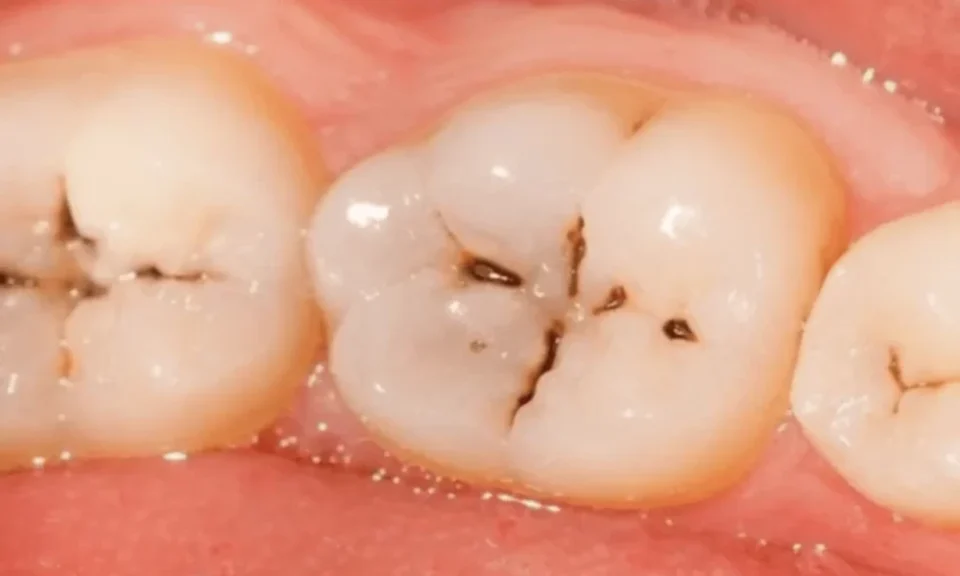
You notice a rough edge, a dark spot, a tooth that suddenly reacts to cold water, and your mind goes straight to cost, pain, and whether you waited too long. That spiral is common. Tooth problems rarely feel small once they start affecting how you eat, sleep, or smile. The good news is that a Canmore dentist does not treat every damaged tooth the same way. They look at how deep the damage goes, whether the tooth can still be saved, and what will give you the best function and comfort over time.
How dentists plan treatment for teeth with different levels of damage comes down to one basic question. Is the problem limited to the outer tooth, or has it reached the inner nerve and surrounding support? That answer shapes whether you need a filling, a crown, root canal therapy, or in some cases an extraction and replacement. Good planning also considers appearance, bite force, age, decay risk, and budget, which is why treatment planning for damaged teeth is more personal than many people expect.
Tooth damage is treated by depth, structure, and long term prognosis
A dentist starts with an exam, X rays, and a close look at the tooth structure. A small cavity in enamel is different from a crack running below the gumline. A chipped front tooth with a healthy nerve is different from a molar with deep decay and pain that wakes you up at night. According to the National Institute of Dental and Craniofacial Research on tooth decay, cavities often begin small, but once decay moves inward, treatment becomes more involved.
Early damage usually means the tooth can be repaired with the least invasive option. That may be a bonded filling, smoothing a minor chip, or watching an area that is weak but not yet broken. Moderate damage often needs more support. If a large part of the tooth is missing, a filling may not hold up under chewing pressure, so a crown may be the safer choice. Severe damage changes the conversation. If bacteria have reached the pulp, which is the soft tissue inside the tooth, the dentist may recommend root canal treatment to remove infection and keep the tooth in place.
This is where many people feel stuck. The tooth may not hurt all the time, so the problem feels optional. Then a small crack spreads, or a cavity that could have been filled now needs a crown. Dental treatment for damaged teeth often becomes more expensive when the structure has less left to save.
Symptoms do not always match the amount of tooth damage
You can have major decay with almost no pain, and you can have sharp pain from a tiny crack. That mismatch confuses people. A deep cavity may stay quiet until the nerve is inflamed or infected. A worn or broken tooth may bother you only when you bite a certain way. Gum swelling, lingering sensitivity, bad taste, or pain when chewing can all point to deeper trouble. MedlinePlus explains that a toothache can come from decay, infection, or nerve irritation, which is why symptoms alone do not tell the whole story.
For children, planning has another layer. Baby teeth still matter because they guide speech, chewing, and space for adult teeth. The AAPD guidance on pulp therapy shows how treatment decisions in younger patients depend on whether the pulp can recover or needs more direct care. In adults, the same logic applies, but the long term goal shifts toward preserving the permanent tooth for as many years as possible.
General, cosmetic, and restorative dentistry often overlap in one treatment plan
People often assume these are separate categories, but real treatment planning blends them. General dentistry focuses on disease control and routine care. Restorative dentistry rebuilds strength and function with fillings, crowns, inlays, root canals, bridges, or implants. Cosmetic dentistry improves shape, color, and symmetry. A single broken front tooth may need all three. The decay has to be removed, the tooth has to be rebuilt, and the final result has to look natural when you talk and smile.
That overlap matters because the best plan is not always the fastest or cheapest fix today. A large filling on a back tooth may cost less now, but if the remaining walls are thin, a crown may protect the tooth better and reduce the chance of fracture. If the tooth is split below the gumline, saving it may not be realistic, and replacing it may be the stronger long term choice.
Common treatment choices depend on how much healthy tooth remains
| Level of Damage | Common Signs | Typical Treatment | Main Goal |
|---|---|---|---|
| Minor enamel damage | Small cavity, slight chip, no deep pain | Fluoride, bonding, small filling | Stop early decay and preserve tooth structure |
| Moderate structural loss | Larger cavity, broken cusp, sensitivity | Filling, inlay, onlay, crown | Rebuild strength and prevent fracture |
| Deep decay or pulp involvement | Lingering pain, swelling, pain on biting | Root canal therapy and crown | Remove infection and save the tooth |
| Severe or non restorable damage | Split tooth, decay below gumline, failing support | Extraction with bridge, denture, or implant | Restore function when the tooth cannot be saved |
Small decisions early often prevent major treatment later
Get the tooth evaluated before the pain gets louder. If a tooth feels different, that is enough reason to schedule a visit. Waiting for severe pain usually means the problem has moved deeper. Early care gives you more options and usually smaller repairs.
Ask what the dentist is protecting you from, not just what they are recommending. A crown is not only about covering a tooth. It may be preventing a crack from turning into a split tooth. A root canal is not only about pain relief. It may be stopping infection from spreading and helping you keep the tooth.
Think in stages if cost is the main concern. Many treatment plans can be prioritized. Urgent infection, pain, and unstable teeth come first. Cosmetic refinements can wait. If you feel overwhelmed, ask which steps protect your health now and which can be phased in later.
The right dental plan fits the tooth and your life
No two damaged teeth are exactly alike, and no good dentist treats them as if they are. The plan should match the level of damage, the chance of saving the tooth, and what you need from your smile every day. If something feels off, do not ignore it and hope it settles down on its own. General, cosmetic, and restorative dentistry works best when the problem is caught before the tooth loses more structure. A timely exam can give you clarity, options, and a path that feels manageable.
