
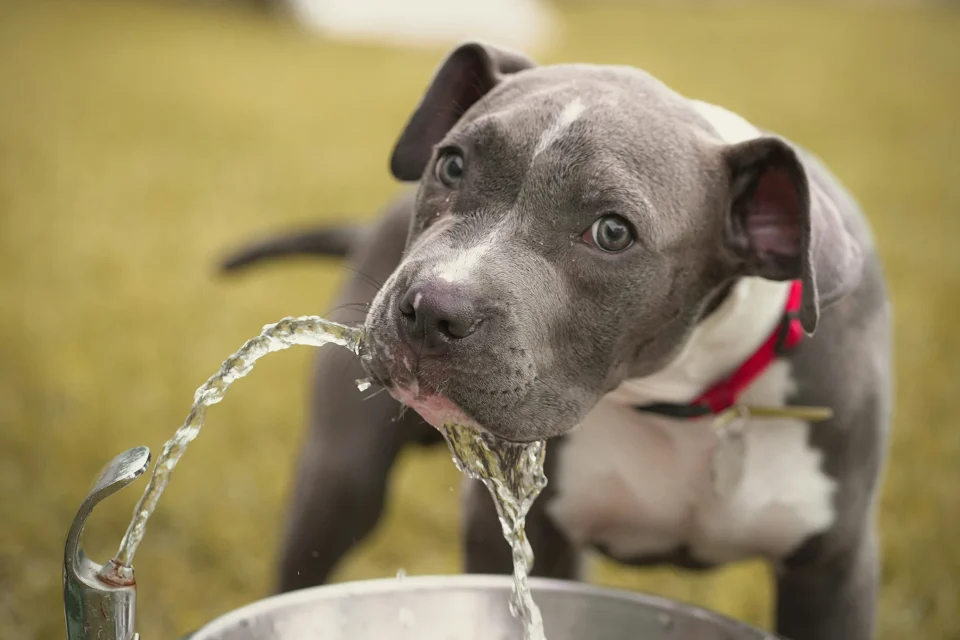
You notice the water bowl is empty again, or maybe it barely looks touched all day, and suddenly you are watching every sip your pet takes. That kind of change gets under your skin fast. Drinking habits feel small until they do not. A dog that starts gulping water, a cat that seems less interested in drinking, repeated trips outside, more litter box clumps, accidents in the house, dry gums, vomiting, weight loss, restlessness- all of it starts to connect in your mind. If you are looking for compassionate pet healthcare in Southern Hills, these changes are worth taking seriously.
Veterinarians take these changes seriously because thirst is tied to so many body systems. A shift in water intake can point to heat, diet, stress, medication, kidney disease, diabetes, urinary issues, hormone disorders, or dehydration. The short version is simple. A one-day change may be harmless, but a pattern deserves attention, especially when it comes with other symptoms.
Veterinarians look at the whole pattern, not just the water bowl
When a vet evaluates increased or decreased drinking, they do not stop at “Is your pet thirsty?” They want context. Has your dog been exercising more? Did your cat switch from dry food to canned food? Has there been hot weather, travel, anxiety, steroid use, vomiting, diarrhea, or a new medication? Those details matter because normal water needs can shift for perfectly ordinary reasons.
That is also why guessing can get expensive. You might assume your older dog is drinking more because of summer heat, then find out the real issue is diabetes or Cushing’s disease. You might think your cat is fine because she eats wet food, then learn she is quietly becoming dehydrated. Cornell’s feline health guidance on hydration in cats explains how subtle dehydration signs can be.
Changes in pet water intake often show up before a diagnosis does. That early clue helps your veterinarian narrow the list of possible causes before the problem gets worse.
Excessive thirst in pets can signal more than simple thirst
A pet that suddenly drinks a lot may also urinate more, wake you at night, ask to go out more often, or soak the litter box faster than usual. That pattern matters. Drinking more because of a salty treat or warm day usually settles down. Drinking more for days or weeks tells a different story.
For dogs, excessive thirst can be linked to kidney disease, diabetes mellitus, liver disease, urinary tract infection, uterine infection in unspayed females, and hormone conditions. Cornell’s discussion of polydipsia in dogs outlines how veterinarians think through those causes and why “drinking a lot” is never one size fits all.
Drinking less can be just as concerning. Pets that avoid water may be nauseated, painful, overheated, or dehydrated. Cats are famous for hiding illness, so a mild drop in drinking can sit unnoticed until appetite, energy, and bathroom habits also change. By then, the issue may be more advanced.
How a general veterinarian evaluates drinking behavior changes
A general veterinarian usually starts with history, physical exam, and a practical set of questions. How much is your pet drinking now compared with before? When did it start? Is appetite normal? Any weight change? Any vomiting, diarrhea, accidents, or change in energy? If you can estimate actual water intake over 24 hours, that helps more than a vague “a lot.”
The exam often checks hydration, body condition, gum moisture, heart rate, abdominal comfort, temperature, and signs of endocrine or kidney problems. After that, testing may include blood work, urinalysis, urine culture, blood glucose testing, blood pressure measurement, or imaging. The goal is not to order everything blindly. The goal is to connect the drinking change to the most likely body system involved.
This is where owners often feel torn. You do not want to overreact, but you also do not want to miss something serious. That tension is normal. The best approach is to bring clear observations instead of waiting for certainty.
Home observation helps, but it does not replace veterinary evaluation
| What You Notice at Home | What It Might Mean | What a Vet Adds |
|---|---|---|
| Empty water bowl more often | Heat, exercise, diet change, medication, disease | Measures if thirst is outside normal range and checks for underlying illness |
| More urination or bigger litter clumps | Normal increased intake or diabetes, kidney, urinary, hormone issues | Urinalysis and blood tests to sort harmless changes from medical causes |
| Little interest in water | Wet food intake, stress, nausea, pain, dehydration | Exam for hydration status, illness, oral pain, and organ function |
| Drinking change with vomiting, weight loss, or lethargy | Higher risk of significant illness | Faster workup and treatment plan |
Watching your pet closely is useful. Trying to diagnose from the bowl alone is not. Water intake can look dramatic without being dangerous, and dangerous problems can look mild at first. Veterinary evaluation of pet thirst gives those observations medical meaning.
Three steps you can take right away
Track the pattern for 24 to 72 hours. Measure how much water you put down and how much is left. In a multi-pet home, separate pets if you can. Write down urination changes, appetite, vomiting, stool changes, energy, and any medications. A short log is often more useful than memory.
Look for red flags that should not wait. Seek prompt veterinary care if the drinking change comes with weakness, collapse, repeated vomiting, trouble urinating, bloated abdomen, pale gums, severe lethargy, major weight loss, or a sudden change in an older pet. Those combinations raise the stakes.
Do not restrict water unless a veterinarian tells you to. If your pet is drinking excessively, it is tempting to limit access. That can make dehydration and some medical conditions worse. Keep fresh water available and get the cause checked instead.
Paying attention early gives your pet the best chance
Changes in drinking habits are easy to second-guess because they can start quietly and look harmless. You are not overthinking it by noticing. You are doing exactly what helps most, catching a pattern before it turns into a crisis.
If your pet is drinking much more or less than usual, or the change comes with other symptoms, schedule an exam with a general veterinarian. A careful history, a physical exam, and a few focused tests can tell you whether this is a temporary shift or the start of something that needs treatment.
