
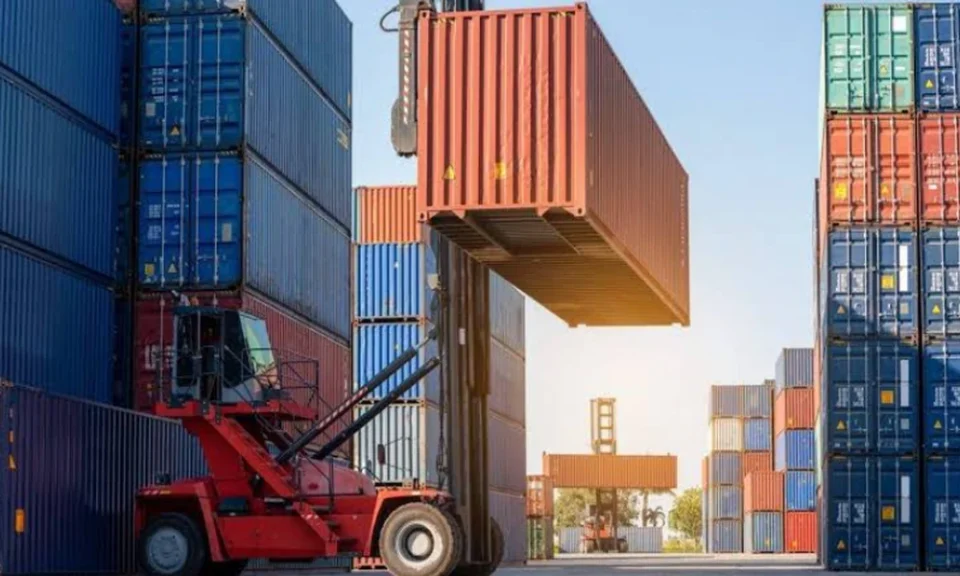
Organisation is the key building block before the container starts its trip in busy freight terminals. Trucks come, cranes work, and workers talk to each other to make things happen in working areas every day. If the daily activities dovetail, then cargo flow through the yard is predictable. Efficient container yard logistics management prevents storage problems and improves transfer and collection conditions. The processes are clear, which makes day-to-day communication easier for everybody in the driver and yard team. Staff have access to plans and priorities for their respective operations to work out in advance rather than ad hoc. That collaborative effort helps to ensure better service flow in the extended value chain.
Organised Storage
When it comes time to pick up the containers, a tidy yard will help you find them! Teams are easily able to distinguish between imports, exports and containers awaiting inspection through the provision of designated stacking areas. Preventing unnecessary searching by having accurate location records, and facilitate more careful movements of equipment. The planning process can take access requirements into account when siting receiving services locations for incoming cargo. Smart organisation creates a more level playing field for a smoother daily flow of warehouse activities on both sides (loading and unloading). It also helps the individuals or teams comprehend how their work relates.
Smoother Movement
Coordinated handling is important at every point along the shift since containers are moving around a lot. Careful route planning helps to ensure lifting equipment and vehicles are passed through set designated operational areas. In the case of container yard logistics, the stacking plan can be synchronised with the planned departures. With that coordination, it is able to retrieve efficiently without reshuffling other neighbouring containers. Communication of instructions for arrival and tasks for collecting items is also good news for drivers. The combination of these practices makes everyday cargo movement much more predictable and controllable.
Clear Visibility
Good information enables yard managers to grasp what is going on in their facilities. Digital records are easily visible for container locations, status and planned collection activities. Up-to-date information can assist busy yard teams, better equipped to deal with changes when they occur. Shared information is the foundation for enhanced communication between operators, terminal personnel and customers. Authorised user(s) may review reliable documents instead of “holding” information in their grip via dialogue. This visibility offers a helpful basis to plan the next action steps for operations.
Safer Working
Training and protocols ensure safe routines in orderly yards. Where site layouts allow, there are clearly defined routes to separate pedestrians from vehicles. Routine equipment checks are in place and in good condition, along with sound communication, which help to control lifting and stacking. Restricted areas can also be coordinated at a team level when maintenance is to be carried out, as well as when handling is about to be performed or is being carried out more rigorously. Rather, organising replaces safety checks, but makes it easier to stick to safety checks regularly. Staff understand where equipment is supposed to go, and things are planned for.
Reliable Coordination
Cargo handling is a team effort which requires a lot of people to be on the same timetable at the appropriate time. The various parties, from hauliers to planners and equipment operators, require instructions and common priorities to be exact. Such exchanges, facilitated by effective container yard logistics, are necessary daily. They are more easily able to plan for the day, as there is an appointment system and clear procedures for handing over. Team clarity of responsibility allows teams to effectively respond to regular change without losing the direction of the team. That collaboration ensures more reliable services for both customers and transport service providers.
Adaptable Operations
Freight movements fluctuate in response to customer needs, seasonal fluctuations in trading and shipping timetables. Flexible storage plans help yards react but maintain a clear procedure for moving around safely. Frequent audits identify areas for potential adjustments to layouts and enhancement of communication between teams. Staff knowledge can be particularly useful in the event of making practical operational changes. A well-maintained yard is one that brings a blend of required processes and space for some worthy enhancements. This balance keeps facilities organised, and matters go rolling as working conditions keep shifting.
Conclusion
Good container handling really requires being meticulous in planning, reliable information and concerted day-to-day decisions. Cargo is more easily identified and retrieved when needed, with proper cargo organisation. Routes and procedures are clear, and controlled movements of vehicles can be made easily in busy operational areas. Goodcontainer yard logistics link the yard staff with hauliers and also partners. Consistent digital records enable all to know where and what’s doing what. Well-planned routines help to build trustworthy service and the safety of the workplace. Good planning is flexible so that proactive improvements are made in tandem with operational needs. Finally, with yards of increasing chain integration and goods moving in a more coordinated manner.
