
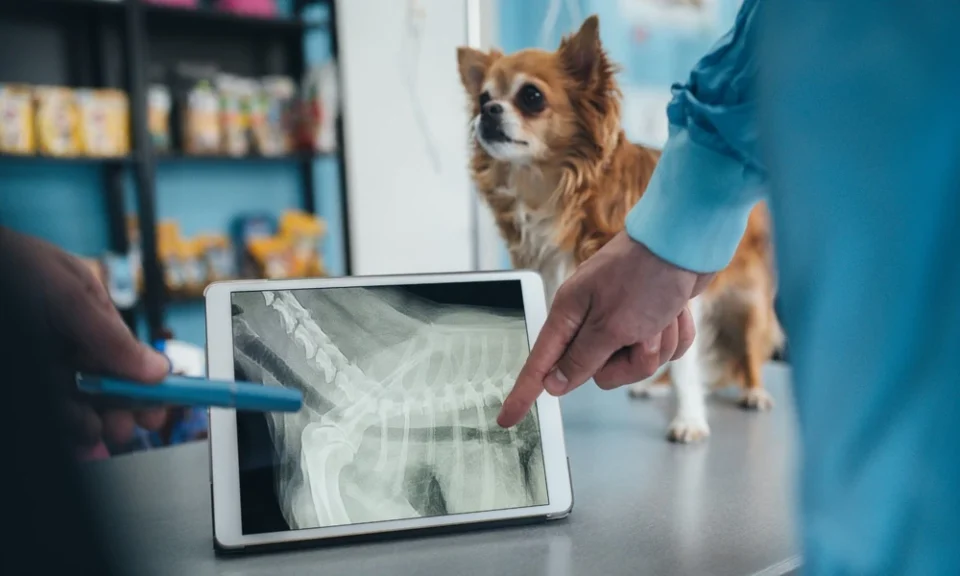
You might have noticed that a visit to an animal hospital does not look quite the way it used to. What once felt like a simple exam in a quiet room may now include digital imaging, online records, remote follow ups, and even tools that help veterinarians sort through large amounts of medical data. If that feels reassuring and a little unsettling at the same time, you are not alone. When your pet is sick, you want answers that are fast, accurate, and kind, especially when working with a fear free vet in Alexandria, VA. You also want to know that technology is helping care, not replacing it.
That is really the heart of The Growing Role Of Technology In Animal Hospitals. New tools are helping veterinary teams diagnose problems sooner, track treatment more closely, and improve communication with pet owners. At the same time, these tools raise fair questions about cost, privacy, and how much should be left to software instead of human judgment. The short version is simple. Technology can support better care when it is used with skill, oversight, and compassion.
Why Are More Animal Hospitals Turning To Technology Now?
Part of the answer is pressure. Veterinary teams are caring for more pets with more complex needs, and pet owners often expect the same speed and clarity they see in human medicine. Because of that, many hospitals are using digital systems to shorten delays and reduce guesswork. Electronic records can help staff spot patterns across visits. Digital X rays and ultrasound can produce results quickly. Wearable monitors can track a pet after surgery or during treatment for a chronic condition.
So, where does that leave you as a pet owner? It means your animal hospital may be able to catch issues earlier than before, especially when symptoms are subtle. A limping dog, a cat hiding more than usual, or a senior pet with changing blood work may benefit from tools that show small changes over time. That does not remove the need for a careful exam. It supports it.
Artificial intelligence is also starting to play a larger role in veterinary settings. Cornell’s College of Veterinary Medicine recently highlighted an AI conference in veterinary medicine, showing how seriously the profession is looking at these tools. The University of Minnesota has also shared a spotlight on artificial intelligence in research, especially in areas like image analysis and data review. In plain terms, AI may help a veterinarian review scans, sort records, or identify patterns that deserve a closer look.
What Are The Real Benefits And Concerns Of Modern Veterinary Technology?
The promise is easy to see. Faster imaging can lead to quicker treatment decisions. Better data tracking can help with long term conditions like diabetes, arthritis, and heart disease. Telemedicine and digital messaging can make follow up care easier, especially when a pet gets stressed by travel. These are real gains, and they matter when time and comfort are both on the line.
But there is another side to this. New equipment is expensive, and those costs can affect what care costs you. More digital systems also mean more data to protect. Some states are paying close attention to how AI is used in professional settings, which is why measures like this Colorado legislation on artificial intelligence are worth watching. Even if a law does not directly answer every question in veterinary medicine, it reflects a larger concern that many pet owners already feel. If a machine helps guide care, who checks the machine?
That question matters because no algorithm knows your pet the way you do. A software tool may flag a risk on a scan, but it cannot notice the look your dog gives when he is in pain, or the way your cat stops greeting you at the door. Veterinary technology in animal hospitals works best when it strengthens the bond between veterinarian and owner, rather than creating distance.
How Does New Technology Compare To Traditional Animal Hospital Care?
Sometimes the easiest way to make sense of change is to put it side by side with what came before. The goal is not to treat old and new methods as opponents. It is to understand where each one helps most.
| Area of Care | Traditional Approach | Technology Supported Approach | What It Can Mean For You |
|---|---|---|---|
| Medical records | Paper files or limited digital notes | Centralized digital records with trend tracking | Easier follow up and fewer gaps between visits |
| Imaging | Film based X rays with slower review | Digital imaging with faster sharing and analysis | Quicker answers when your pet needs urgent care |
| Monitoring | Observation during appointments only | Wearables or remote updates between visits | Better insight into chronic issues at home |
| Decision support | Clinical judgment based on exam and history | Clinical judgment supported by AI or data tools | Possible earlier detection, with a need for human review |
| Communication | Phone calls and in person updates | Portals, texts, telehealth, and shared results | More convenience, but also more information to sort through |
If your pet has a simple ear infection, high tech systems may not change much about the visit. If your pet has seizures, cancer, heart disease, or a hard to diagnose problem, the value can be much greater. That is why technology in veterinary hospitals is not really about novelty. It is about matching the right tool to the right case.
What Can You Do Right Now To Make Better Choices For Your Pet?
1. Ask how the tool affects the decision.
If a veterinarian recommends a scan, monitor, or AI assisted review, ask one calm question. How will this change what happens next? That helps you separate useful testing from testing that may not alter treatment.
2. Request clear explanations about cost and limits.
Technology can improve care, but it can also add expense. Ask for a breakdown of what is essential now, what can wait, and what the limits of the tool are. A digital image or software alert is helpful, but it is still one piece of the full picture.
3. Keep your own observations front and center.
Track appetite, energy, bathroom habits, sleep, mobility, and behavior changes. Bring photos or short notes to the appointment. Animal hospital teams rely on this information more than many people realize, especially when symptoms come and go.
Can Technology And Compassion Work Together In Animal Hospital Care?
Yes, and that is the standard worth looking for. Good care is not a choice between warmth and innovation. It is a partnership between them. The best animal hospital is not the one with the most screens or the newest software. It is the one that uses modern tools to support careful thinking, honest communication, and treatment plans that fit your pet’s needs.
If you are sorting through options, take a breath and ask questions. You do not need to understand every technical detail to make a wise decision. You just need a veterinary team that respects your concerns, explains the why behind each recommendation, and uses animal hospital technology to serve care, not overshadow it.
