
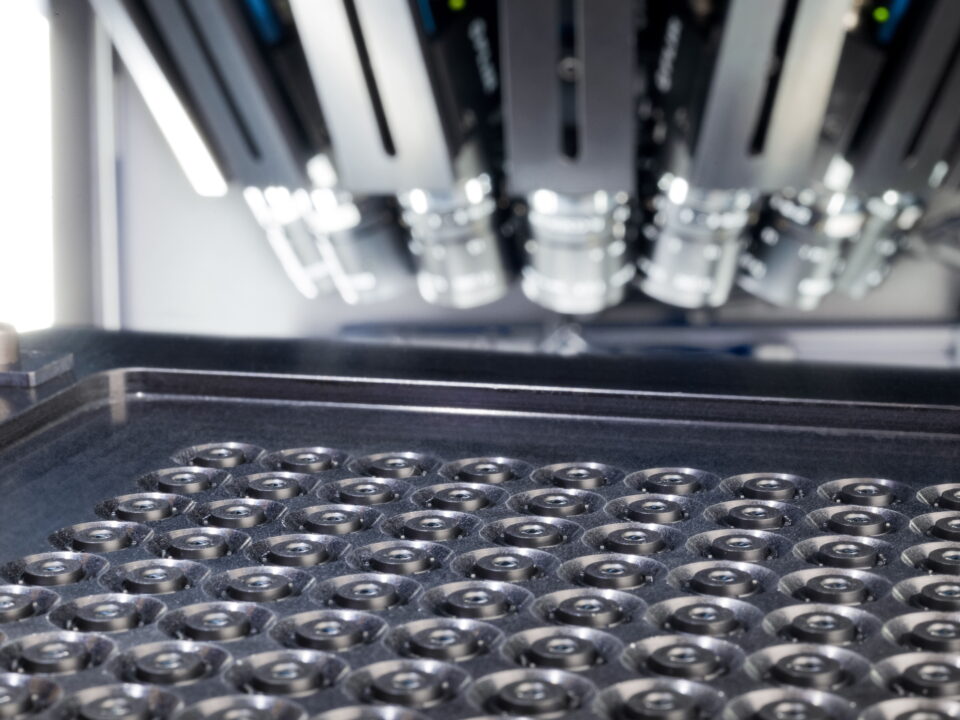
Precise evaluation of optical systems is essential for ensuring high-quality imaging across industries. Professional MTF Measurement services deliver the rigorous data needed to characterise lenses, identify strengths and weaknesses, and verify compliance with performance standards. Specialists such as Image Science use advanced instrumentation and analytical expertise to measure modulation transfer function across different apertures, wavelengths, and field positions. These insights help manufacturers refine designs, support quality assurance, and enable users to make informed decisions when selecting or integrating optical components.
Understanding What MTF Measurement Reveals
MTF, or Modulation Transfer Function, is one of the most reliable metrics for determining how well a lens reproduces contrast and fine detail. Unlike subjective impressions of sharpness, MTF provides numerical data that can be compared and replicated.
Contrast and Resolution Evaluation
By analysing how contrast changes over varying spatial frequencies, MTF reveals the lens’s ability to resolve fine detail across the image field.
Field Performance Variations
Measurements can be taken at the centre, mid-field, and edge of the optical field, showing how performance shifts across the image. This helps identify issues such as field curvature or astigmatism.
Aperture and Wavelength Dependency
Lenses behave differently at various apertures and wavelengths. Recording this data supports accurate modelling and application-specific optimisation.
Together, these measurements provide a comprehensive picture of optical performance.
How Professional MTF Measurement Is Carried Out
Achieving reliable optical data requires specialised equipment and controlled testing conditions. High-end MTF systems feature:
- Precision alignment stages and optical benches
- Calibrated light sources for consistent illumination
- High-resolution sensors and imaging software
- Automated data-capture tools for repeatable results
During testing, lenses are evaluated under multiple operating conditions—different focus positions, apertures, and wavelengths—to generate a detailed performance profile. Professional MTF Measurement ensures accuracy far beyond DIY or informal testing methods.
Supporting Lens Design Refinement and Development
Manufacturers rely heavily on MTF data during research and development. By analysing results:
- Optical designers can fine-tune lens geometries
- Engineers can validate simulation models
- Developers can identify aberrations early in the design cycle
- Prototypes can be benchmarked against production goals
This data-driven approach reduces guesswork and accelerates the path to high-performance lens production.
Quality Assurance and Manufacturing Consistency
Consistent optical performance is essential for commercial lens production. MTF measurement plays a crucial role in:
- Batch testing for quality control
- Identifying manufacturing deviations
- Ensuring lenses meet contractual or industry performance standards
- Supporting certification and regulatory documentation
With accurate MTF data, manufacturers maintain reliability and uphold brand reputation.
Advanced Users Benefit from Precise Optical Data
Professional and scientific users depend on MTF results for system selection, integration, and calibration. Fields that benefit include:
- Machine vision and automation
- Surveillance and defence imaging
- Scientific and laboratory microscopy
- Professional photography and cinematography
- Space and aerospace imaging systems
Accurate MTF Measurement supports better decision-making and ensures the chosen optical components suit real-world operational demands.
Conclusion
Detailed MTF Measurement services are indispensable for evaluating, refining, and validating optical performance. By capturing comprehensive data across apertures, wavelengths, and image field positions, MTF testing helps manufacturers perfect lens designs, maintain quality control, and support advanced users in system integration. With expert tools and knowledge from providers like Image Science, organisations gain the clarity and confidence needed to meet the high standards of modern imaging applications.
