
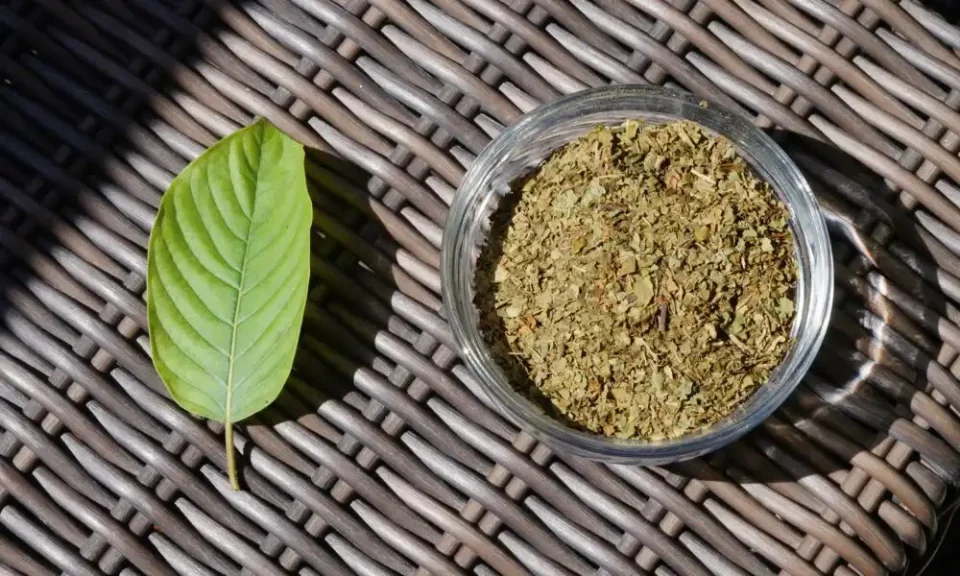
What does vein colour indicate?
Vein colour points to one thing above all: how mature the leaf was when someone picked it. That coloured line down the middle of each leaf runs from white through green to red as the leaf ages, much the way a tomato reddens on the vine. No dye, no additive, nothing brushed on later. What a buyer sees traces back to an actual point in the leaf’s life.
Browse any listing of kratom for sale, and the colour names come at you fast, so a handful of plain facts help. The leaf’s chemistry drifts as its colour drifts, which turns the vein into a rough map of what sits inside a product, and that is why the whole market settled on these names. Sorting happens before drying, too. Producers separate the harvest by vein first, meaning the shade on a package stands for a real decision rather than a slogan.
How do the three colours form?
Each colour marks a different moment in one leaf’s growth, since the plant keeps changing right up to harvest.
- White vein – Picked the earliest, off young leaves. That pale line flags a leaf taken before it fully matured, and it carries the lighter character of early growth along with the briskest name of the three.
- Green vein – Harvested partway through, once the leaf has filled out a little. Sitting between the other two in both shade and character, it earns a balanced, middle-of-the-road reputation among regular buyers.
- Red vein – Cut from the oldest leaves, sometimes after a long spell on the plant. The dark vein signals the fullest stage of development, and with it the heaviest, roundest profile.
How should buyers read colour?
Treat vein colour as a first signal, then confirm the rest. A short sequence keeps that reading honest.
- Start with the colour – Let the name set a rough expectation for character before you look at anything else.
- Open the certificate – Hold that expectation against the published numbers, because two reds can still part ways thanks to the natural spread inside each colour.
- Compare the batches – When a producer posts several results, watch how tightly the reds or greens bunch up. Loose scatter tells its own story.
- Factor in method – Note the drying approach where it appears, since handling darkens or lightens a shade on its own.
Does processing shift the shade?
Handling adds a second layer to the finished colour, so a vein name never rests on harvest timing alone.
- Drying deepens tone – Leave a leaf longer under heat, and it darkens, and a fair few red products borrow part of that colour from extended drying rather than pure maturity.
- Shade holds lightness – Cool, sheltered air keeps a paler tone, leaving a white or green near the way it looked when picked.
Two leaves cut at the very same stage can still finish apart, and the difference comes down entirely to what happened after picking. A label’s colour carries two stories folded together: when the leaf came off the plant and how it was treated next.
Producers who keep both stories steady give a package that reads the same order after order. Approached that way, the certificate opens alongside it, vein colour becomes a genuinely useful filter, thinning a crowded shelf down to the few products that earn a second look.
