
Key Takeaways
- A fabric sofa with a Martindale rub count below 20,000 will show wear within a year of daily use.
- Seat cushions made with low-density foam lose shape faster than the fabric itself.
- Pilling resistance depends on fibre structure, not surface texture or softness.
Introduction
A fabric sofa often looks perfect when it first arrives. The cushions sit high, the fabric feels smooth, and the colour looks even under showroom lighting. Problems usually appear after months of use. Seat cushions compress unevenly. The surface develops small fibre knots. Armrests darken or flatten in the areas people touch most. These changes do not happen by chance. They result from measurable material limits that many buyers overlook. When shopping at furniture stores in Singapore, buyers who understand these limits can predict how a fabric sofa will behave after regular use instead of relying on appearance alone.
1. Reading the Martindale Rub Count Correctly
Fabric durability depends on abrasion resistance. Manufacturers measure this using the Martindale rub test. A testing machine rubs fabric samples in a circular motion until the fibres break or thin. The final number indicates how much friction the fabric can handle before visible damage occurs.
A rub count between 10,000 and 15,000 suits decorative cushions or occasional chairs. Sofas in daily living rooms need higher tolerance. For regular household use, a fabric sofa should meet at least 20,000 rubs. Homes with pets, children, or frequent guests should look for 40,000 rubs or more. Lower values lead to thinning at seat edges and flattened armrests long before the frame fails. When furniture stores in Singapore cannot provide this figure, the fabric likely lacks formal testing.
2. Understanding Pilling Before It Appears
Pilling happens when short fibres loosen and tangle on the surface. It often appears within months on seat cushions and backrests. Softness does not prevent pilling. In fact, loosely spun yarns pill faster under friction.
Manufacturers test pilling resistance using a grading scale from 1 to 5. Grade 1 fabrics pill quickly. Grade 5 fabrics resist fibre migration even after repeated abrasion. A practical minimum for a fabric sofa is Grade 4. Synthetic blends such as polyester or acrylic mixed with natural fibres usually perform better than pure wool or cotton. Buyers should ask to see the pilling grade rather than relying on texture or weave tightness alone.
3. Cushion Sagging Comes From Foam Density
Fabric wear draws attention, but cushion collapse causes most long-term dissatisfaction. Foam density determines how well cushions retain shape after repeated compression. Density measures the weight of foam per cubic metre, not softness.
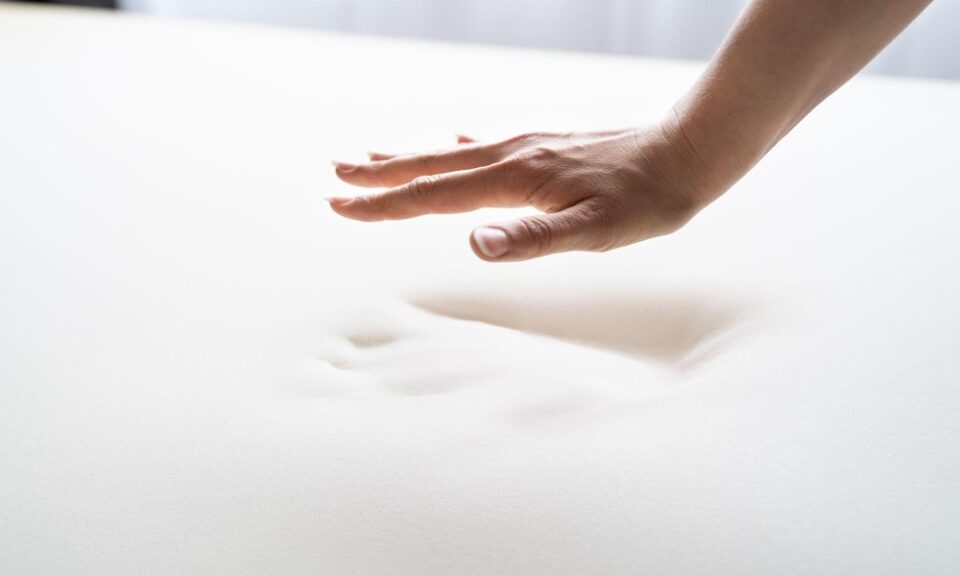
Foam below 25kg/m³ compresses permanently within months. A usable fabric sofa should contain foam at or above 30kg/m³. High-resiliency foam between 40kg/m³ and 45kg/m³ maintains shape longer and recovers faster after sitting. Buyers can test this directly. Press down on the seat cushion and stand up. Slow recovery or visible indentation signals early sagging, regardless of fabric quality.
4. The Frame Affects Fabric Wear
Fabric durability depends on frame stability. A weak frame shifts under weight, increasing stress on fabric seams and cushion edges. Particle board frames flex over time, which causes uneven tension across the upholstery. Solid wood or reinforced plywood frames hold shape and distribute load evenly.
A simple test reveals frame quality. Lift one front corner of the sofa. A stable frame raises evenly without twisting. A light or bending frame indicates cost-cutting that shortens upholstery lifespan. No fabric can compensate for a frame that warps under normal use.
5. Stitching and Seam Placement Matter
Seams fail before the fabric wears through. Tight stitches placed along high-friction zones split faster than reinforced seams positioned away from pressure points. Buyers should check seam placement along seat fronts and armrest edges. Double stitching and hidden seam placement reduce stress during daily use.
Loose threads or uneven stitching signal rushed assembly. These issues worsen once cushions compress and fabric shifts. Well-constructed seams maintain alignment even as materials settle.
Conclusion
Fabric sofas fail in predictable ways: Abrasion thins fibres, loose yarn pills, low-density foam collapses, and weak frames distort tension. None of these outcomes relates to colour, softness, or showroom appeal. Buyers who focus on Martindale rub counts, pilling grades, foam density, frame strength, and stitching avoid these problems. When visiting furniture stores in Singapore, asking for technical specifications leads to better outcomes than visual comparison alone. A fabric sofa built for daily use shows its quality long after the first year.
Contact Cellini to review fabric durability specifications and select a sofa designed for everyday use, not showroom lighting.
