
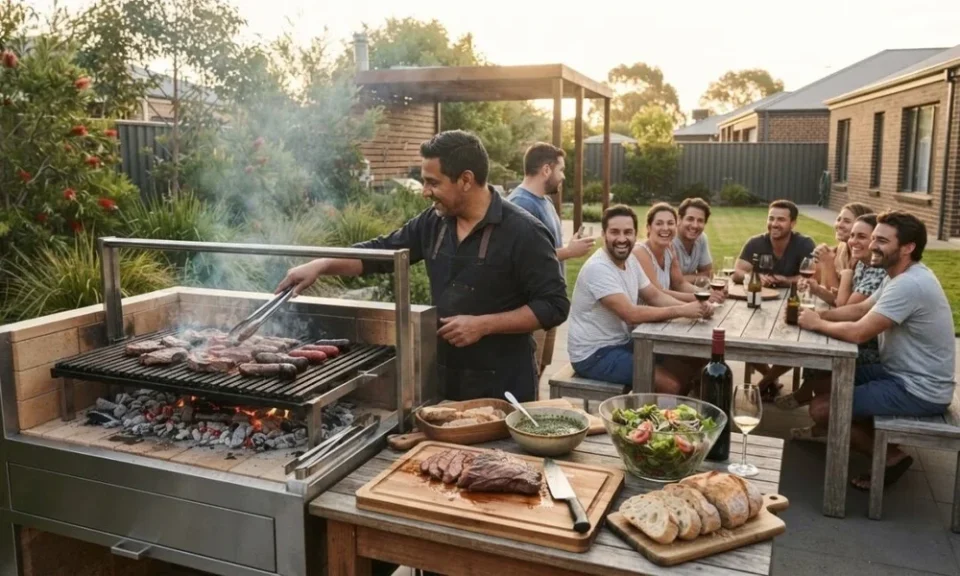
At an Argentinian steakhouse, dinner often unfolds over several courses and shared plates. Taking time over starters, grilled meats, and conversation is part of the appeal. Knowing how that style of meal is paced can help you plan an evening that leaves room to enjoy it.
At Libertango, that pacing is central to the experience. The restaurant’s approach reflects a dining culture where the grill is important, but so is everything that happens before and after the main cuts arrive. Guests move from small starters to shared plates, from conversation to the next course, and finally to dessert without the pressure to rush. The result is not just a meal with strong flavors. It is a structure that changes how people eat, talk, and stay present at the table.
The Meal Starts With Anticipation, Not the Entrée
In many restaurants, the main dish is the center of gravity from the moment the menu opens. Argentine grilling traditions work differently. They create a longer runway. The early courses are not filler; they are part of the pacing strategy that prepares the table for what follows.
At Libertango, that usually means beginning with dishes such as empanadas or smoked provolone. These plates do more than add variety. They shift the guest out of a rushed mindset and into a more measured one. Small bites naturally slow the first few minutes of the meal, giving the table time to settle, order drinks, and ease into conversation.
Why Small Plates Matter More Than They Seem
The opening course in this style of dining does an important job. It creates a pause between arriving and committing to the heart of the meal. That pause matters because it changes the tone of the whole evening.
A starter like an empanada is simple, familiar, and easy to share. Smoked provolone brings warmth and richness without overwhelming the palate. Together, they create a sense of gradual buildup. The meal feels composed rather than abrupt, which is one reason the Argentine table often feels more relaxed than a standard steak dinner.
That slower start also helps explain why Libertango feels different from a restaurant that focuses only on plates arriving quickly. The pace is deliberate, and the first course signals that the evening is meant to unfold, not be completed.
The Grill Gives the Meal Structure, But Not Hurry
The center of an Argentine steakhouse meal is the grill, yet the grill does not create urgency. It creates sequence. The cuts arrive with a sense of order, and that order gives the table a natural rhythm. At Libertango, signature items such as asado de tira, ribeye, filet, and picanha are part of a broader dining pattern that values timing as much as flavor.
A grill can be associated with speed in casual settings, but Argentine grilling traditions treat it differently. The purpose is not to move food through the kitchen as fast as possible. It is to present meat in a way that rewards attention, conversation, and pacing between bites.
What Changes When the Table Slows Down
When the main course is served in an unhurried setting, diners usually notice more than they would in a rushed environment.
- The first bite gets more attention because the table is not distracted by the next item coming immediately after.
- Conversation becomes more natural because the meal is not compressed into a short window.
- Shared sides feel more important because they are part of the rhythm, not an afterthought.
- Guests are more likely to notice differences between cuts rather than treat the meal as one uniform steak experience.
This is where the model becomes strategically interesting. Libertango does not just serve grilled meats. It uses the structure of the meal to make those meats feel more memorable. That is a subtle but important distinction, and it is one reason the pace of the evening feels intentional from beginning to end.
Shared Plates Turn Dinner Into a Social Experience
One of the strongest features of Argentine dining is that it is built for company. Even when the food is plated, the experience still feels communal. Shared sides and coordinated courses encourage the table to participate together, rather than splitting into separate individual dining tracks.
That is part of the hospitality culture Libertango reflects. The meal is not only about what lands on each plate. It is about what is happening at the table between courses. People pass, compare, discuss, and linger. A meal that might otherwise feel formal becomes more connected because the structure invites interaction.
Why Family-Style Energy Changes the Tempo
Shared sides do something that solo entrées rarely do. They slow decision-making in a useful way. Instead of everyone finishing on their own timeline, the table stays linked through the meal. That keeps the pace more even and naturally extends the experience without making it feel drawn out.
This also creates room for contrast. A rich cut of meat tastes different when paired with a shared side than when it stands alone. A lighter appetizer before the main course changes the way the entrée is perceived. And when people are ordering and tasting together, the meal becomes layered rather than linear.
That is part of what makes Libertango feel like an occasion. The food is excellent, but the timing is what makes the evening feel larger than a simple dinner out.
Beverages and Dessert Extend the Arc, Not Just the Menu
The pacing of an Argentine meal does not stop when the entrées are finished. It continues into the drinks and dessert course, which is where the evening often softens into a final stretch rather than a sudden ending. Argentine red wines, cocktails, and non-alcoholic beverages can all support that slower progression, especially when they are chosen to complement the richness of the meal.
Dessert plays a similar role. A final course built around dulce de leche does not feel like a rushed finish. It feels like a closing note. That matters because the end of the meal should complete the experience, not simply mark its conclusion.
The dessert course is also where the social side of the meal becomes most visible. Conversations that began over appetizers often deepen here. The pace slows further. The table has already moved through the structure of the evening, and dessert gives everyone permission to stay a little longer.
At Libertango, that sense of closure is part of the value proposition. The meal is designed to feel complete, not abbreviated. That is what makes the experience feel refined without becoming stiff.
What a Strong Argentine Steakhouse Experience Gets Right
A great steakhouse can impress with quality alone, but an Argentine steakhouse has to do more. It has to control tempo. It has to understand how food, conversation, and hospitality work together across a whole evening. That is the deeper reason the pace of the meal matters.
The strongest versions of this model usually get several things right:
- They open with food that invites guests to settle in rather than race forward.
- They give the grill a starring role without making the meal feel mechanical.
- They keep the table connected through shared sides and a communal rhythm.
- They match rich cuts with beverage choices that support the overall experience.
- They end with a dessert course that feels like a true finish, not an afterthought.
Libertango is compelling because it treats these elements as one system. The restaurant’s roots in Argentine grilling traditions, along with broader Spanish, Italian, and French influences, help create a dining experience that feels polished but not sterile. The emphasis remains on hospitality, warmth, and the kind of pacing that lets a meal develop naturally.
For diners, that changes the meaning of going out to eat. It is not just about ordering a steak. It is about entering a rhythm that makes the evening feel more generous, more social, and more memorable. If you want to see how that rhythm comes together in practice, explore Libertango and experience the difference for yourself.
