
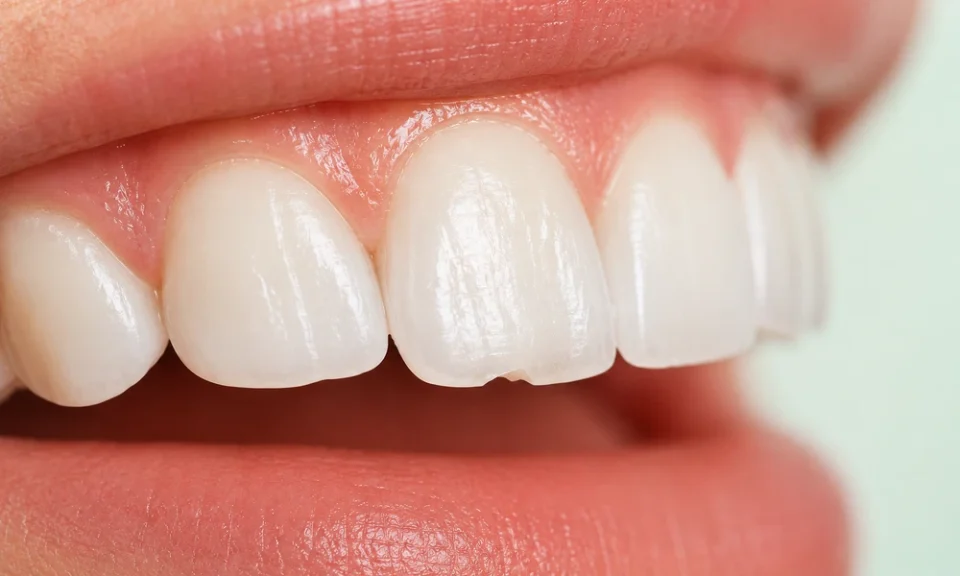
You notice it with your tongue before you see it in the mirror. A spot on a tooth feels jagged, scratchy, or oddly sharp, and suddenly every sip, bite, and breath pulls your attention back to it. That small rough edge can feel bigger than it sounds, especially when you start wondering if it is a chip, a cavity, worn enamel, or something that needs quick care from a South Hill dentist.
A rough tooth is not always an emergency, but it is never something to ignore. Sometimes the fix is simple, like minor polishing or bonding. Sometimes that rough area points to decay, grinding, or a crack that can get worse if you wait. If you are trying to figure out whether to smooth it, repair it, or leave it alone for now, the right questions can save you pain, money, and stress.
A rough tooth surface can point to more than one problem
The first question is whether the roughness comes from damage or disease. Teeth do not usually turn rough for no reason. You may have a small chip from biting ice, a worn edge from grinding at night, or enamel changes from acid and age. In other cases, roughness comes from decay. The National Institute of Dental and Craniofacial Research explains how tooth decay develops, and that process can leave weak, broken, uneven areas on the tooth surface.
The second question is whether the tooth hurts, feels sensitive, or catches floss. Pain is not the only sign that a tooth needs treatment. A tooth can be cracked or decayed without major pain at first. If floss shreds in one spot, if cold drinks sting, or if the edge keeps rubbing your cheek, that usually means the surface is no longer stable.
The third question is whether the tooth changed after dental work. Fillings, crowns, and even cleanings can leave a spot that feels different to your tongue. Sometimes it is just your mouth noticing a small texture change. Sometimes a filling edge needs polishing, or a bite adjustment is needed because one area is hitting too hard when you chew.
The right fix depends on what caused the rough edge
This is where people often get stuck. You may be hoping the tooth just needs to be filed smooth, and sometimes that is true. A minor chip on the edge of a front tooth may be improved with contouring. A rough filling can often be polished. A tooth with a larger break may need bonding, a crown, or another repair to protect it from further damage.
The fourth question is how much tooth structure is missing. If only the outer edge is uneven, smoothing may be enough. If the rough spot is a sign that part of the tooth has broken away, simply filing it down can remove more healthy enamel and leave the tooth weaker. That is why rough tooth repair should start with a clear look at the cause, not just the texture.
The fifth question is whether the roughness is getting worse. A chip that stays the same for months is different from one that feels sharper every week. Cracks can spread. Cavities can deepen. MedlinePlus lists common tooth disorders that affect tooth structure, and many of them start with changes that seem small.
Trying to smooth a rough tooth at home carries real risks
The sixth question is whether you are tempted to fix it yourself. That urge makes sense. If a tooth is scraping your tongue, it is hard not to want immediate relief. The problem is that home filing tools, nail files, and internet hacks can remove enamel you cannot replace. Once enamel is gone, it does not grow back. A rough edge may also be covering a crack, and pressure from home tools can make that crack worse.
MedlinePlus describes cracked or broken teeth and the kinds of symptoms they can cause, from pain with chewing to temperature sensitivity. What feels like a tiny snag can turn into a deeper fracture if it is handled the wrong way.
| Option | What It May Help | Main Risk | Best Use |
|---|---|---|---|
| Home rinsing and soft foods | Reduces irritation for a day or two | Delays diagnosis if damage is deeper | Short term comfort while waiting for an appointment |
| DIY filing or sanding | May make an edge feel less sharp for the moment | Removes enamel, worsens chips or cracks | Not recommended |
| Professional polishing | Smooths minor rough spots on enamel or restorations | Will not fix decay or larger fractures | Small surface irregularities |
| Dental bonding or filling | Repairs chips, decay, and worn areas | Needs upkeep over time | Visible chips or small structural loss |
| Crown or other restoration | Protects a weakened tooth | Higher cost and more treatment time | Larger cracks, breaks, or heavy wear |
Knowing what to ask helps you protect the tooth and your budget
The seventh question is what happens if you wait. That answer matters because small dental problems usually stay small only when they are treated early. A quick smoothing visit is one thing. A neglected crack that reaches the nerve is another. When you ask whether the tooth can simply be polished, whether bonding would last longer, and whether the rough spot suggests grinding or decay, you get a clearer picture of what is necessary now and what can wait.
This is also where smoothing a chipped tooth and broader treatment planning meet. If grinding caused the damage, a night guard may prevent a repeat problem. If acid wear is part of the story, diet and hygiene changes matter. If decay is present, the goal is not just making the tooth feel smooth again. It is stopping the disease process and preserving the tooth.
Three steps you can take right away
1. Check for warning signs. Look for sensitivity, pain when biting, bleeding around the tooth, swelling, or floss that keeps tearing in one spot. Those signs make a professional exam more urgent.
2. Protect the area until you are seen. Avoid chewing on that side, skip hard or sticky foods, and rinse with warm water after meals. If the edge is rubbing your tongue or cheek, dental wax from a pharmacy may help for a short time.
3. Book a visit with a general dentist. A general dentist can tell whether the tooth needs simple polishing, bonding, a filling, or further imaging to check for a crack. That answer is hard to guess at home, even when the rough spot seems minor.
A rough tooth can feel like a small nuisance until it starts affecting how you eat, sleep, and think. You do not need to panic, and you do not need to try to fix it yourself. Get it checked, ask direct questions, and make sure the solution fits the real cause. A smooth surface matters, but a stable, healthy tooth matters more.
