
Checking THCA cart quality before spending money prevents purchasing products that fail on potency, draw consistency, and flavour within the first few sessions. Most buyers skip quality verification entirely, which is why it helps to read this guide before purchasing because the indicators are visible, documented, and examinable before any money changes hands.
Production failures leave evidence that pre-purchase checking consistently reveals. A lack of winterization is evident in the appearance of the oil. Inadequate purging shows in lab documentation. Assembly quality is affected by substandard hardware. Rather than just determining what the cartridge delivers at the first impression, each checkpoint represents a real production decision that determines what it delivers over its entire life.
How to verify cart quality?
Reading oil appearance
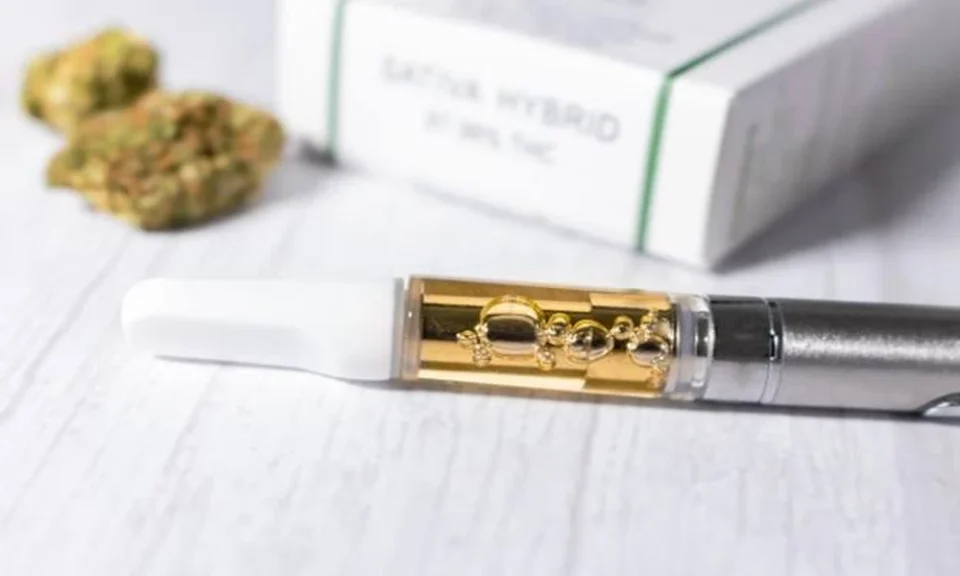
Clear to light amber oil with no cloudiness, particles, or uneven colour across the chamber is the baseline appearance of properly processed extract. Any cartridge showing cloudy or dark oil carries production residue that will affect draw quality regardless of what the label claims. Rotating the cartridge slowly against a light source reveals colour inconsistency and suspended material that a straight-on view misses entirely. Cloudy oil contains plant wax content, incomplete winterisation left behind. That wax burns rather than vaporises under heat, producing heavy vapour that registers as harshness across every session.
Reviewing lab reports
A batch-specific Certificate of Analysis confirms whether the oil inside a cartridge contains what the label states and whether residual solvent levels were reduced to acceptable limits during purging. Cartridges that lack batch-level lab documentation ask buyers to accept every quality claim without independent verification.
- Residual solvent panels confirm purging removed processing chemicals from the finished oil rather than leaving irritants that cause throat discomfort on every draw.
- Batch-specific reports tie the tested results to the actual production run in the cartridge rather than a previously tested batch.
- Terpene concentration listings verify that flavour character comes from preserved aromatic compounds rather than artificially reintroduced alternatives.
Inspecting hardware before use
Glass chambers, ceramic heating elements, and non-plastic mouthpiece components indicate hardware built to maintain draw quality across extended use. Plastic chamber construction and loose assembly at connection points between the chamber body and mouthpiece are indicators worth treating as disqualifying rather than minor concerns. The mouthpiece junction is where thermal cycling stress concentrates during regular use. A visibly uneven fit before the cartridge has been used suggests the seal will not hold reliably once heat and handling are introduced across repeated sessions.
Checking fill consistency
Oil filled to the marked capacity with no irregular air gaps beyond standard headspace reflects controlled production conditions where temperature and transfer rate during filling were actively managed. Underfilled cartridges or those with uneven oil distribution across the chamber reveal a filling stage that lacked the process controls consistent with the draw quality required.
Oil appearance, lab documentation, hardware assembly, and fill consistency are each readable before purchase and reflect something specific about how the cartridge was produced. Checking all four before spending takes considerably less time than recovering from a purchase that each indicator flagged immediately.
