
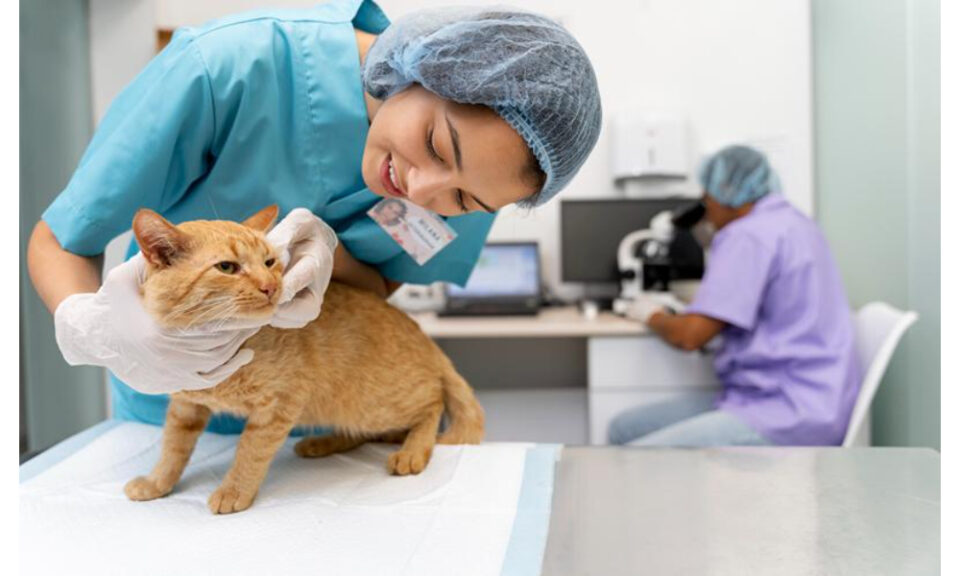
It’s every pet owner’s nightmare: seeing their furry friend unwell and not knowing whether it’s serious enough to rush to an animal hospital. Maybe your cat hasn’t eaten for a day, or your dog seems unusually lethargic. It’s easy to second-guess yourself, but recognising when your pet truly needs professional help can make all the difference.
Subtle Signs That Something’s Off
You know your pet best. That’s why small behavioural changes can feel worrying. Has your usually active dog started hiding or refusing walks? Does your cat seem distant or stop grooming? These subtle shifts might not seem alarming at first, but they can signal underlying health issues.
An animal hospital isn’t just for emergencies. It’s also where vets can run diagnostic tests, spot early signs of illness, and provide preventive care. Waiting too long can turn a treatable condition into something far more serious. It’s always better to err on the side of caution and schedule a check-up.
When an Emergency Vet Clinic Becomes Necessary
Some moments call for immediate action. If your pet is vomiting persistently, having trouble breathing, or bleeding excessively, you shouldn’t wait. In these situations, heading straight to an emergency vet clinic is critical.
Think of it like an A&E for pets, with trained specialists, advanced equipment, and round-the-clock care. Conditions like poisoning, seizures, or accidents can escalate quickly. Getting your pet to an emergency vet clinic ensures that their condition is stabilised fast, giving them the best chance of recovery.
The Line Between “I’ll Watch and Wait” and “Go Now”
Here’s the tricky part: sometimes symptoms fall into a grey area. Maybe your cat’s limping a little after jumping off the sofa, or your rabbit hasn’t eaten breakfast but still seems alert. Do you rush them in or give it a day?
A good rule of thumb is this: if the symptom persists beyond 24 hours, worsens, or causes distress, it’s time to visit the animal hospital. Even if it turns out to be minor, you’ll have peace of mind knowing you did the right thing.
Common Emergencies You Shouldn’t Ignore
Certain red flags should always send you straight to professional care. Here are a few:
- Laboured or noisy breathing
- Inability to stand or sudden collapse
- Continuous vomiting or diarrhoea
- Bleeding that doesn’t stop within a few minutes
- Ingestion of toxic substances like chocolate, medication, or cleaning products
If any of these happen, call an emergency vet clinic right away. Most clinics in Singapore have after-hours hotlines, so help is never too far away.
Keeping Calm and Acting Fast
In moments of panic, pets can sense your fear. Try to stay composed, speak softly, and handle them gently while arranging transport. It’s also wise to keep a basic pet first aid kit at home. Items like gauze, antiseptic wipes, and a digital thermometer can help you respond calmly before you reach the animal hospital.
If you’re unsure, you can always ring the clinic first. Many emergency vet staff can advise you on the spot, helping you decide whether to come in immediately or monitor your pet at home.
Trusting Your Instincts as a Pet Owner
You know what? Instinct counts for a lot. If something feels wrong, it probably is. Don’t wait for dramatic symptoms before seeking help. Your pet depends on you to act when they can’t communicate how they feel.
The next time you’re unsure whether to visit an animal hospital, remember that your decision could be life-saving. A quick consultation today can spare both you and your pet days of worry tomorrow.
Conclusion
Pets can’t tell us when they’re in pain, which makes our attentiveness so important. From subtle behavioural changes to urgent medical emergencies, knowing when to visit an animal hospital can make all the difference in their well-being.
If you ever find yourself hesitating, contact Paws N’ Claws Veterinary Surgery for advice. They’re there to help you make the right call for your furry family member.
