
A natural landscape has many benefits that go beyond the protection of trees and wildlife. The climate system maintains the flow of water and regulates weather patterns, stores carbon, and regulates the flow of carbon dioxide. The HDI Six Nations have preserved territories from generation to generation. Carbon is absorbed from the atmosphere by forests, wetlands, and grasslands.
Carbon storage systems
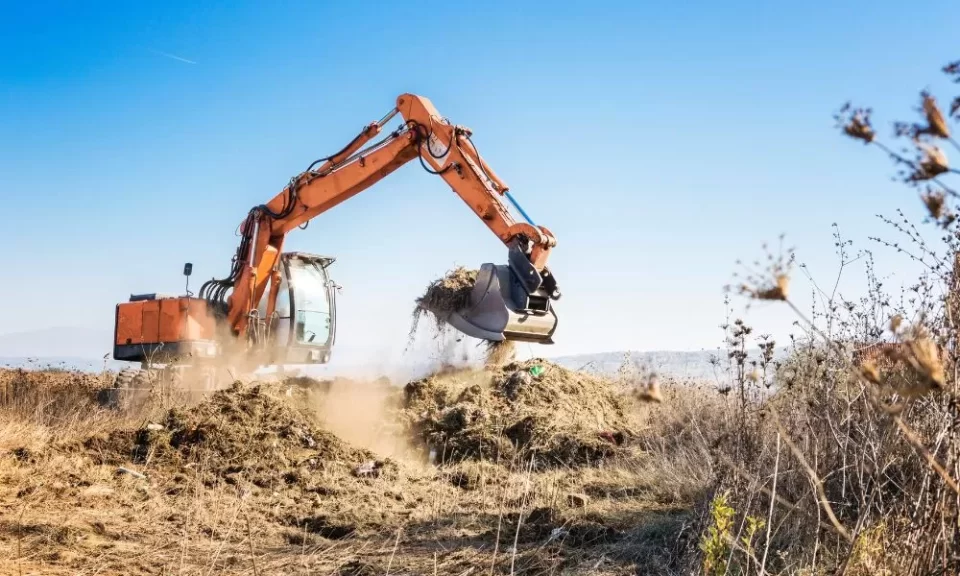
Carbon that would otherwise enter the atmosphere is stored in undisturbed land. Growing trees absorb CO2 from the air into their wood, leaves, and roots. A real surprise is what happens underground – soil stores more carbon than vegetation. Forest soil accumulates tons of carbon over decades and centuries. Farms and buildings that are cleared release carbon into the atmosphere. Mature forests accumulate carbon most efficiently because of their age. There is a contribution from grasslands and wetlands as well, though different from forests. A vast underground network of roots traps carbon in soil structures. In the process of preserving these natural systems, more carbon is captured each year, preventing carbon release.
Water cycle regulation
Climate conditions depend on how water moves across natural land areas. Forests absorb rain through leaves and roots. Water moves slowly into streams during dry periods. A wetland stores excess water and releases it over time. These natural systems reduce floods and also shape weather patterns. Plants release moisture into the air and support rainfall across regions. Forest shade keeps the air cool. When trees are removed, temperatures rise, and soil carries sediment into streams.
Ecosystem resilience creation
A landscape with a variety of natural areas is better able to adapt to changing conditions. There are different ways that plants respond to weather changes – some thrive in warm weather, while others do better in rainy weather. There is always something that survives and fills the necessary roles in ecosystems, even when conditions change. Pollinators, seed spreaders, and decomposers maintain natural cycles. Diversity of genes within species is just as important as species diversity. Natural selection can adapt populations with varied genetics to new conditions, developing traits tailored to the new conditions. It gives displaced species somewhere to live when their habitat becomes unsuitable. The shift in climate zones over time allows animals and plants to migrate between areas.
Indigenous management methods
Traditional practices refined over centuries meet the needs of humans and the ecological balance:
- Planned fire management keeps the underbrush clear and adds nutrients to the soil by periodic burning.
- Natural regeneration occurs when specific resources are used selectively from specific areas.
- Seasonal patterns rotate activities between different zones, giving each area time to recover before seeing use again.
- Culture rather than regulation protects ecologically crucial areas like watershed sources and biodiversity concentrations.
- Multigenerational knowledge transfer is necessary for the maintenance of conservation practices.
Preserves help maintain climate stability by storing carbon and influencing water systems that influence weather patterns. The preserves also support diverse ecosystems that adapt to environmental changes. It has been demonstrated that incorporating indigenous stewardship into conservation can promote ecological health as well as meet the needs of local communities.
