
Introduction: Building Playgrounds That Stand the Test of Time
A well-designed playground is more than a collection of slides and swings — it’s a space where children learn, grow, and explore through play. However, the longevity and safety of a playground depend heavily on one crucial factor: the materials used to build it.
From public parks to schoolyards, the best playgrounds combine durability, safety, and aesthetic appeal. Choosing the right materials ensures not only that the play structures last for years but also that they stay safe, weather-resistant, and environmentally friendly.
Let’s explore the top materials used in modern playground construction and what makes each one ideal for long-lasting performance.
1. Steel: The Strength Standard
Steel remains the most widely used material in commercial playgrounds — and for good reason. Known for its strength, stability, and resistance to impact, it’s the backbone of many outdoor play structures.
Why Steel Works Best:
- High strength-to-weight ratio for supporting large structures
- Long-lasting durability even under heavy daily use
- Powder-coated finishes prevent rust, fading, and corrosion
- Ideal for climbing frames, swing sets, and monkey bars
Modern steel playground equipment is often treated with eco-friendly coatings that extend its lifespan and maintain vibrant color, even under constant exposure to sun, wind, and rain.
2. Aluminum: Lightweight and Corrosion-Resistant
For locations near the coast or areas prone to humidity, aluminum is an excellent choice. Unlike untreated steel, aluminum doesn’t rust — making it ideal for outdoor playgrounds in wet or salt-air environments.
Advantages of Aluminum:
- Naturally corrosion-resistant
- Lightweight yet strong for modular installations
- Low maintenance and recyclable
- Retains appearance over time without warping or fading
Aluminum is often used for slides, panels, and decorative elements that benefit from both durability and design flexibility.
3. High-Density Polyethylene (HDPE): Safe and Sustainable
HDPE is a versatile plastic material that has become increasingly popular in modern playground design. It’s valued for its smooth surface, bright colors, and weather resistance — all key for child-friendly play spaces.
Why HDPE Is a Top Choice:
- Resistant to cracking, splintering, and fading
- Easy to clean and maintain
- Available in vibrant, UV-stabilized colors
- Recyclable and environmentally responsible
HDPE is commonly used for slides, play panels, tunnels, and climbing walls, offering a safe, smooth finish that’s gentle on small hands.
4. Recycled Plastic Lumber: The Eco-Friendly Innovation
As sustainability becomes a top design priority, recycled plastic lumber is transforming playground construction. Made from post-consumer plastics like milk jugs and detergent bottles, it’s both eco-friendly and incredibly durable.
Key Benefits:
- Resistant to moisture, rot, and insect damage
- Doesn’t splinter like wood
- Requires no painting or sealing
- Long lifespan with minimal upkeep
Recycled plastic lumber gives the appearance of traditional wood while eliminating the need for regular maintenance — making it a sustainable and long-lasting alternative.
5. Wood: Natural Beauty with Proper Care
Wood remains a timeless material for playground design, offering a warm, natural look that blends beautifully into parks and residential settings. However, it requires regular maintenance to ensure longevity.
Best Types of Wood for Playgrounds:
- Cedar and redwood: Naturally rot- and insect-resistant
- Pressure-treated pine: Enhanced durability when properly sealed
When maintained correctly — including annual sealing and inspections — wood can provide a safe, attractive, and sustainable playground experience for years.
6. Rubber: Safety Meets Longevity
While not used as a structural material, rubber plays a vital role in playground surfacing and certain equipment components. Rubber mats, tiles, and poured-in-place surfaces provide excellent shock absorption and slip resistance.
Benefits of Rubber Components:
- Reduces injury risk from falls
- Weather- and UV-resistant
- Available in many colors and patterns
- Durable and easy to maintain
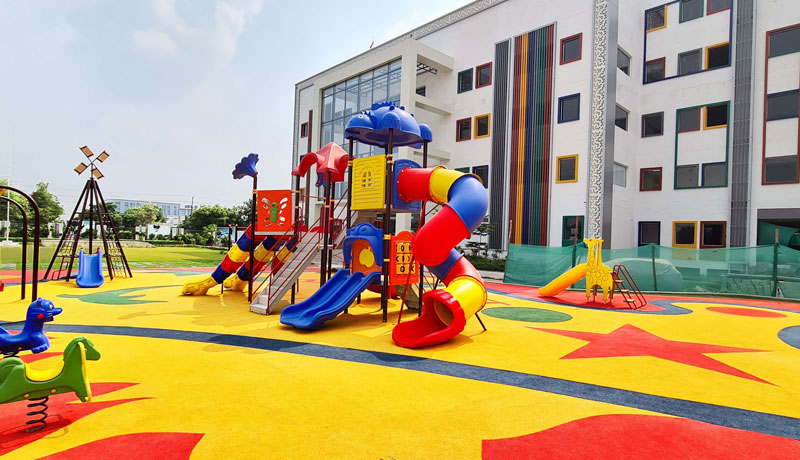
Rubber surfacing not only enhances safety but also adds aesthetic vibrancy to modern playgrounds.
7. Combining Materials for the Best Results
The best playgrounds often use a combination of materials — steel for structure, HDPE for panels, rubber for surfacing, and wood or aluminum for accents. This hybrid approach ensures balance between strength, safety, and style.
Professional manufacturers, like Inspire Play playground equipment, design their play systems with these factors in mind — using high-quality, weather-resistant materials that meet international safety standards. Their expert craftsmanship ensures that each playground remains engaging, safe, and structurally sound for decades of joyful play.
Conclusion: Built to Play, Built to Last
When it comes to playground equipment, the materials you choose determine not only the structure’s appearance but also its safety, longevity, and environmental impact.
From the strength of steel to the sustainability of recycled plastic, modern materials have evolved to meet the demands of today’s communities and families. By investing in durable, weather-resistant options, you ensure that your playground remains a vibrant, inviting space where children can play, explore, and create lasting memories — for generations to come.
