
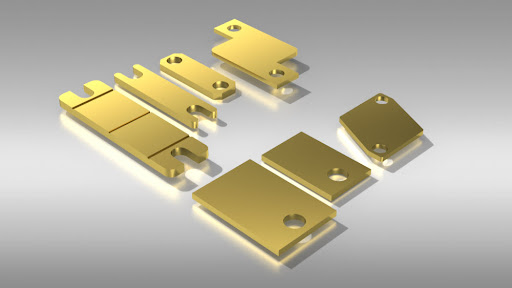
The tungsten heat sink may seem an unlikely subject for human interest, yet its presence ripples through lives in ways most people never consider. Inside the medical scanner that detects a tumour early enough to save a life, within the telecommunications tower connecting a mother to her daughter across continents, beneath the components of satellites that guide rescue helicopters to disaster zones, these dense metal blocks perform a task both mundane and critical: they absorb heat that would otherwise destroy the very systems we have come to depend upon. The story of thermal management in modern electronics is, ultimately, a story about the invisible infrastructure that makes our connected, technologically dependent world possible.
The People Behind the Problem
In a manufacturing facility, an engineer studies temperature readings from a prototype power amplifier. The numbers tell a worrying story. The device operates for minutes before overheating forces it into protective shutdown. Customers need this equipment to function continuously for years in environments where maintenance proves difficult or impossible. The engineer considers options: enlarge the cooling system, reduce power output, or find a material capable of managing the thermal load within the existing space constraints. This is the moment when tungsten enters the equation, when its peculiar combination of density and thermal properties becomes relevant to someone’s working day.
Singapore’s tungsten heat sink sector emerged partly to serve engineers facing exactly these challenges. The city-state’s position as a hub for electronics manufacturing, aerospace, and medical technology created demand for thermal solutions that conventional materials could not provide. The facilities that produce these components employ machinists, metallurgists, quality inspectors, and logistics coordinators, each contributing to a supply chain that ultimately delivers cooling capacity measured in watts and degrees Celsius.
Understanding What Makes Tungsten Different
To appreciate why a tungsten heat sink matters, you must first understand what heat does to electronics. Imagine holding a smartphone that has been charging in direct sunlight. The warmth you feel represents wasted energy, electricity that converted to heat rather than useful work. Inside the device, this heat accelerates the degradation of components. Solder joints weaken. Semiconductors age prematurely. Batteries lose capacity faster than they should.
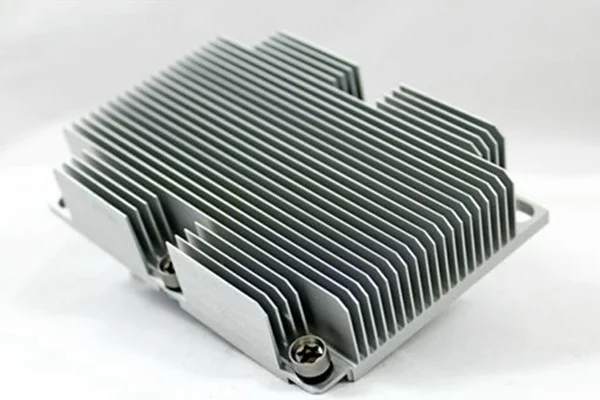
The tungsten heat sink mitigates these effects through properties rooted in atomic structure. Tungsten atoms pack together with remarkable density, creating a material weighing 19.3 grammes per cubic centimetre. This density translates into thermal mass, the capacity to absorb heat without rapidly rising in temperature. The material acts as a buffer, smoothing out temperature spikes that might otherwise damage sensitive electronics.
Consider these practical advantages:
- Exceptional density provides superior thermal mass in compact designs
- High melting point enables operation in extreme temperature environments
- Minimal thermal expansion maintains precise alignments in optical and electronic systems
- Long-term stability ensures consistent performance over years of operation
- Compatibility with various manufacturing processes allows design flexibility
Where Theory Meets Reality
The applications span industries in ways that touch daily life, often invisibly. A radiologist examining CT scans depends on X-ray tubes that generate immense heat during operation. The tungsten heat sink managing those temperatures makes diagnostic imaging possible. A passenger streaming video during a long-haul flight relies on satellite communications equipment that must function reliably despite the thermal cycling between earth’s shadow and direct sunlight. Military personnel using radar systems in desert environments depend on electronics that continue operating when ambient temperatures exceed 50 degrees Celsius.
Each application represents engineering decisions made under constraints. An aerospace engineer cannot simply add weight to improve cooling. Every gramme matters when calculating fuel consumption and payload capacity. A medical device designer faces strict size limitations, equipment that must fit within spaces defined by human anatomy and hospital workflow. Singapore’s tungsten heat sink manufacturers work within these constraints, producing components that balance thermal performance against weight, cost, and dimensional requirements.
The Human Cost of Thermal Failure
When thermal management fails, the consequences extend beyond damaged equipment. A communications tower that overheats might disrupt emergency services during a crisis. A power inverter failure in an electric vehicle could strand a family far from assistance. Medical equipment malfunction during a procedure puts patients at risk. These scenarios underscore why engineers specify tungsten heat sink solutions despite their cost and weight penalties. The alternative, accepting reduced reliability, proves unacceptable when human safety depends on continuous operation.
The machinists who fabricate these components, the inspectors who verify dimensional accuracy, the logistics personnel who ensure on-time delivery, all participate in a system where their work directly affects reliability. A surface that deviates from specification by micrometres can introduce thermal resistance that degrades performance. Quality control becomes not merely a procedural requirement but a moral obligation to the end users who will depend on this equipment.
Looking Beyond the Metal
The broader implications of tungsten heat sink technology reveal our deepening dependence on electronics that operate at the edge of physical limits. We demand more power in smaller packages. We expect reliability under conditions that challenge material capabilities. We build critical systems whose failure carries consequences we prefer not to contemplate. The infrastructure supporting modern life grows more complex whilst simultaneously becoming more essential, creating vulnerabilities that require constant engineering attention and material innovation.
The dense metal block that absorbs and dissipates unwanted heat represents one small part of this larger system, yet without it, much of what we consider normal would become impossible. From the telecommunications networks connecting us to loved ones, to the medical equipment diagnosing illness, to the transportation systems moving us across distances, all depend on the reliable operation of electronics, and that reliability hinges on thermal management solutions like the tungsten heat sink.
