
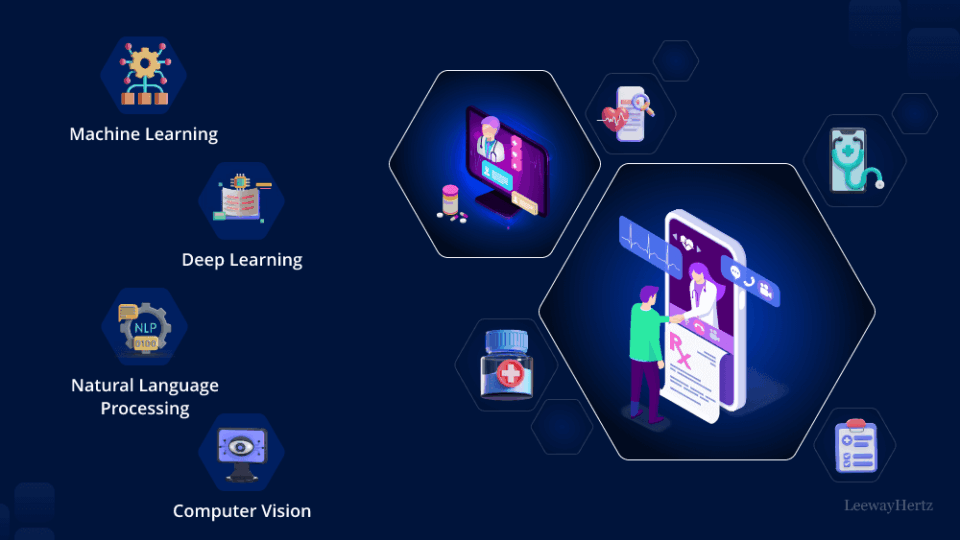
Advanced technical protocols guide how digital healthcare platforms provide medical services to patients at distant locations. Telehealth consultations rely on strong technology frameworks that follow professional clinical standards. These frameworks help doctors evaluate symptoms accurately without being in the same room. Patients can receive timely medical guidance safely from their homes using these systems. These technical specifications create consistent patient experiences regardless of which platform or provider delivers virtual care services.
Video quality protocols
High-definition video transmission allows practitioners to perform visual examinations that show important diagnostic information during remote appointments. Video must meet a minimum of 720p resolution so that practitioners can clearly see skin conditions and physical movements. This quality also helps them notice facial expressions that show pain or discomfort. NextClinic implement adaptive bitrate streaming that adjusts video quality based on available internet bandwidth without dropping connection quality below clinical usefulness thresholds.
Audio transmission stability
Clear audio is very important for effective remote consultations, collecting patient histories by asking detailed questions about symptoms and medical backgrounds. This helps in understanding the patient condition accurately.
- Echo cancellation technology – Echo cancellation technology uses advanced signal processing to remove audio feedback loops. These loops happen when device speakers and microphones work at the same time. Removing them prevents interruptions during important symptom discussions.
- Noise suppression algorithms – Noise suppression algorithms filter out background sounds from traffic, pets, or household activities. This allows practitioners to hear small changes in the patient voice. Such changes can indicate problems like respiratory distress.
- Bandwidth prioritisation – Network protocols allocate sufficient data transmission capacity to voice channels before video streams, ensuring audio remains clear even when internet connections experience temporary slowdowns
- Latency reduction – Technical standards mandate a maximum 150-millisecond audio delay, preventing conversational awkwardness where practitioners and patients speak simultaneously due to transmission lags
Audio quality standards prevent miscommunication about medication allergies, symptom severity, or treatment instructions that could compromise patient safety through misunderstood verbal exchanges during remote appointments.
Interoperability framework standards
Standardised data formats allow different telehealth platforms to share patient information smoothly. This helps electronic health record systems and pharmacy networks coordinate care without errors.
- HL7 FHIR compliance – Healthcare data can move between software systems without manually re-entering information. Patient records are transferred in the correct format across different platforms.
- API standardisation – Application interfaces follow the same design rules, so developers can create new tools that work with existing systems without custom integration.
- Device compatibility – Device compatibility ensures that healthcare platforms work on computers, tablets, and smartphones. This allows staff to access information across multiple devices without technical problems.
- Cross-platform messaging – Secure communication channels maintain encryption standards when practitioners and patients use different devices or software applications during appointment scheduling and follow-up discussions
Technology standards covering video quality, audio stability, bandwidth optimisation, interoperability, and security create reliable foundations for remote healthcare delivery, meeting clinical requirements. Standardised protocols ensure consistent consultation experiences across different platforms and geographic regions, serving diverse patient populations. Technical specifications balance accessibility needs, enabling modest internet connections to support clinical-grade consultations with quality requirements, ensuring diagnostic accuracy. Continuous updates to standards include new technologies while keeping support for older devices.
