
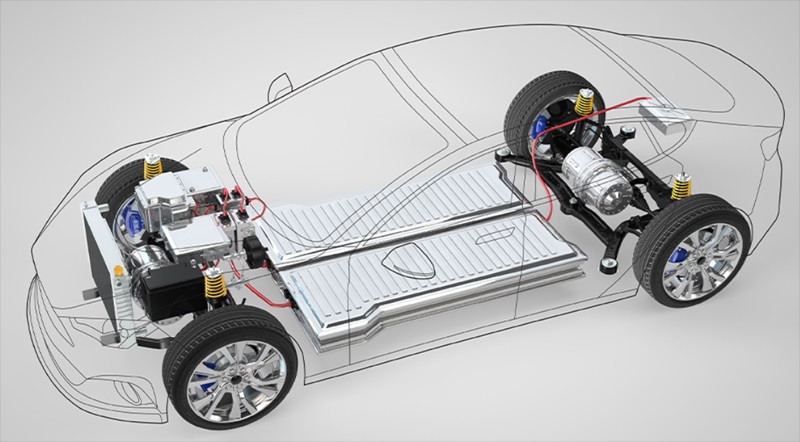
The fast transition to electric vehicles (EVs) has resulted in a great deal of innovation in the field of automotive engineering. The core of this change is the electric drive train which is a system that substitutes the traditional internal combustion parts with efficient electric ones. Knowledge about the advantages of electric drive train systems can be used to clarify why the modern EVs are receiving massive acceptance in the global markets.
What Is An Electric Drive Train?
An electric drive train is a device that transfers power of the electric motor to the wheels of a car. Electric systems contain fewer components as opposed to conventional drive trains which have to use engines, gearboxes and elaborate mechanical connections. This is a curvilinear design which is essential in enhancing efficiency, reliability and general performance of the vehicle.
Benefit 1: Higher Energy Efficiency
Among the most prominent advantages of an electric drive train is that it is more energy efficient. Electric motors are able to change a larger percentage of stored energy to useful motion than fuel based engines, which waste a large amount of energy as heat. This is an efficiency that enables the EVs to cover more miles with less energy being consumed thus it is more economical to use on a day to day basis.
Also, regenerative braking systems fitted to electric drive trains use the energy gained during braking and reintroduce it into the battery. This characteristic also enhances the energy usage and the range of driving.
Benefit 2: Less Maintenance needs
Drive train systems that use electricity have less machinery as compared to the traditional mechanical systems. Lack of features like the clutches, exhaust systems and multi speed transmissions make wear and tear heavily limited. Consequently, EV owners will have reduced maintenance and service breakdowns during the lifetime of the vehicle.
Long-term reliability is also improved with this simplified structure, and electric vehicles are a viable option to a person and fleet operator.
Benefit 3: Better Driving Performance
The modern EVs have the newest technology of an electric drive train that provides smooth and instant torque. Electric motors will also accelerate instantly as compared to internal combustion engines which need time to gain power. This provides sensitive handling and the smooth driving experience especially in the urban areas.
Moreover, the offered precise control of electric systems enhances the traction, as well as stability, particularly in combination with intelligent vehicle control software.
Benefit 3: Environmental Benefits
Electric drive train systems help in minimizing the effects of the environment. The fact that EVs do not emit tailpipes means that they reduce the level of air pollution in highly populated locations. The environmental benefits are even higher when the sources of energy are renewable.
The popularization of vehicles based on electric drive train technology would help reduce reliance on fossil fuels, thereby aiding the world in the fight against climate change as well as encouraging a more sustainable means of transportation.
Benefit 4: Flexibility in Design and Space Economy
The electric drive train is compact, and this gives the manufacturers more flexibility in designing a vehicle. Fewer heavy parts will allow designers to make better use of interior space, better weight distribution and overall vehicle balance. This malleability allows innovative layouts enhancing comfort, safety and cargo capacity.
This means that EVs are able to provide large interiors without having to be larger in size to suit the practical requirements of the contemporary consumer.
Benefit 5: Long-Term Cost Benefits
Although EVs might be more expensive than traditional vehicles, the financial benefits are high in the long run. Less fuel costs, less maintenance and better efficiency lead to general cost savings. It is economically wise to invest in cars with a strong electric drive train system, in the long-term perspective.
Conclusion
Electric drive train systems are not only good in terms of efficiency and performance. They mark a radical change of moving towards smarter, greener, and even more sustainable mobility. The use of the electric drive train will keep taking center stage in determining the future of the modern-day electric vehicles with the continued evolution of technology.
