
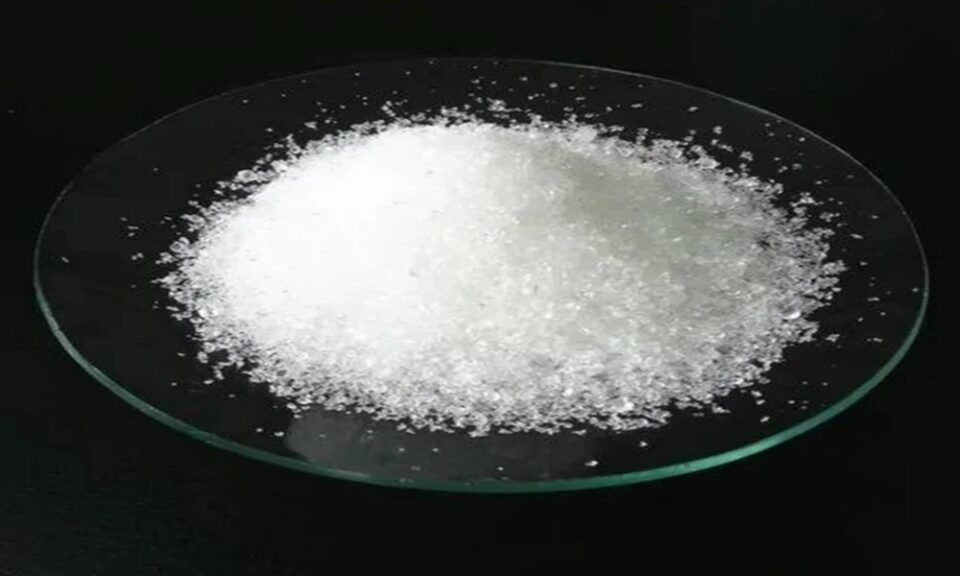
Hypophosphorous and hypophosphite chemicals are coming into purchase lists when industries are running reduction chemistry, surface finishing, specialty synthesis, and formulation work. Buyers often assume both behave similarly, then they face dosing errors, unstable baths, or audit questions. You can avoid most problems if you are checking a few practical points before you place bulk order.
See, start by understanding what you are buying in simple terms. Hypophosphorous is usually coming as acid form and it is behaving strongly in handling and storage because acidity is driving corrosion and reactivity. Hypophosphite is coming as salt form and it is behaving more like a solid dosing material, but it is still reacting to moisture and impurities. You have to match form with your process requirement only, otherwise performance is drifting.
Frankly speaking, grade clarity is your first checkpoint. Ask supplier whether you need technical grade, industrial grade, or higher purity grade based on end-use. Many processes are reacting sharply to trace metals and insolubles, especially when you are running plating baths or electronics-related surface work. You have to lock impurity limits in writing only, otherwise vendor will supply whatever they are having available.
Basically, assay basis and concentration basis are creating confusion in purchase. For acid, concentration percentage and stabilisation approach are affecting dosing and shelf stability. For salts, hydration state and moisture content are affecting active content per kg. You have to calculate dosing based on assay and grade, not by visual weight only.
See, moisture control is a hidden risk in salts. Many hypophosphite salts are attracting moisture and forming lumps if packing is weak. Put drum in dry area, reseal pack quickly after use, and follow FIFO practice strictly only, otherwise dosing accuracy drops and process becomes inconsistent.
Frankly speaking, packaging is not a small detail for acids also. Acid needs compatible containers, proper venting guidance if required, and safe sealing for transport. You have to confirm container material, closure type, and storage temperature range only, otherwise leakage and corrosion risk increases.
Basically, documentation is where serious suppliers are standing out. You should collect COA, MSDS, transport classification, and batch traceability format before first PO. You have to check test methods and instrument calibration discipline at supplier side only, because numbers on COA should match your incoming QC trend.
See, batch-to-batch consistency matters more than one good sample. Do one thing, ask for last three batch COAs and compare key parameters side by side. You have to validate two to three different lots with your own QC before you lock annual contract only, otherwise you are taking long-term risk based on one lucky batch.
Frankly speaking, supply stability is also part of quality. Supplier should be sharing monthly capacity, realistic lead time, and buffer stock plan for bulk customers. You have to verify dispatch performance and reference customers in similar industry only, otherwise your production planning becomes unstable.
Basically, technical support is saving time when issues come. Reliable vendors are providing technical contact who can guide trial setup, help interpret deviations, and support corrective actions. You have to confirm escalation path and complaint closure timeline before bulk order only.
Common Doubts (FAQ)
1) Can I treat acid and salt as interchangeable in process?
See, you should not. They are behaving differently in handling, dosing, and reaction conditions, so you have to follow your process chemistry requirements only.
2) What is one must-check parameter on COA?
Frankly speaking, check assay along with heavy metals, moisture, and insoluble matter. You have to match these with your process sensitivity only.
3) Why do I see lumps in hypophosphite salts after storage?
Basically, moisture pickup and weak sealing are causing it. You have to store in dry place and reseal pack quickly after use only.
4) How do I reduce procurement risk quickly?
See, lock specifications, test multiple batches, verify documentation readiness, and check packaging quality. You have to keep vendor review every quarter only.
