
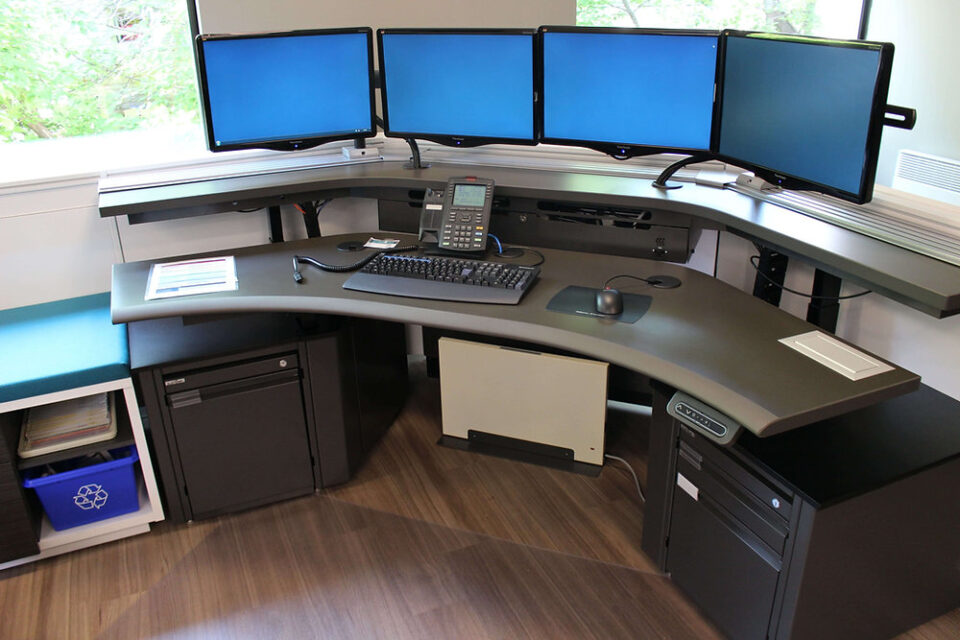
911 command centers operate under immense pressure, where each call demands immediate response and flawless coordination. The physical workspace of the call-taker and dispatcher is a critical component of emergency response. This environment must withstand constant use, organize complex technology, and support the human operators who manage life-or-death situations.
Durable 911 dispatch consoles with Xybix design or from other manufacturers form the backbone of this workspace. These specialized stations are far more than simple desks; they are integrated, ruggedized platforms engineered for the unique demands of public safety answering points. Their design directly impacts the efficiency, accuracy, and well-being of personnel, making them a foundational element of effective emergency communication.
The Demands of a 911 Workspace
A 911 center presents distinct physical challenges. Operators manage multiple computer screens, radio systems, telephone equipment, and keyboards for extended, uninterrupted shifts. Standard office furniture fails under this strain. Equipment must remain secure and accessible, cables require management to prevent hazards, and the structure must endure physical stress. The console must also adapt to various body types and preferences to minimize fatigue. An improper workstation can lead to slowed response times or operational errors. The console serves as the primary interface between the dispatcher and the technology that saves lives.
Durability and Structural Integrity
These consoles are built for resilience. Manufacturers use high-grade steel, reinforced aluminum, and commercial-grade laminates that resist impact, scratches, and liquid spills. The structures support substantial weight without wobbling, ensuring stability during intense situations. Hardware such as brackets, bolts, and grommets is industrial strength to maintain integrity over years of shift work. This construction prevents damage from constant use and allows for the secure mounting of expensive, critical equipment. Investment in this durability translates to long-term reliability. A console that remains functional for a decade or more provides consistent support without failure.
Ergonomics and Operator Well-being
Operator health is paramount for sustained performance. Adjustable work surfaces accommodate different seated or standing positions. Monitor arms allow precise screen placement to reduce neck and eye strain. Integrated cable management systems keep wires organized and out of sight to decrease clutter and mental fatigue. Proper console height and legroom promote better posture during long hours. These ergonomic considerations help prevent chronic injuries and support operator focus. A comfortable dispatcher can maintain concentration and composure throughout a demanding shift.
Integrated Technology Management
A primary function of these consoles is to consolidate and organize technology. They feature dedicated mounts for radios, telephony equipment, and computer towers. Ventilation systems prevent critical electronics from overheating. Consoles have built-in power distribution with surge protection and organized channels for cable routing. This integration creates a streamlined workspace where every tool has a designated, accessible place. Dispatchers avoid wasting time managing disparate devices. This organized approach allows operators to focus on the call, not the equipment.
Adaptability to Evolving Needs
911 technology does not remain static. Centers upgrade radios, add new software screens, or integrate video systems. Heavy-duty consoles must adapt to these changes without complete replacement. Modular designs allow sections to be reconfigured, added, or removed. Standardized mounting solutions accept new equipment as it arrives. This flexibility protects the initial investment and avoids operational downtime during upgrades. The console framework becomes a permanent asset that supports technological evolution. A center can refresh its tools while maintaining a familiar, efficient physical layout for its staff.
Durable 911 dispatch consoles with Xybix design and similar models represent a vital, though often overlooked, element of emergency response infrastructure. Their role extends beyond mere furniture to become a force multiplier for 911 personnel. By providing durable, ergonomic, and integrated workspaces, these consoles support the human element of public safety. They enable dispatchers to perform with speed and precision, manage complex technology ecosystems, and maintain their well-being across demanding shifts.
