
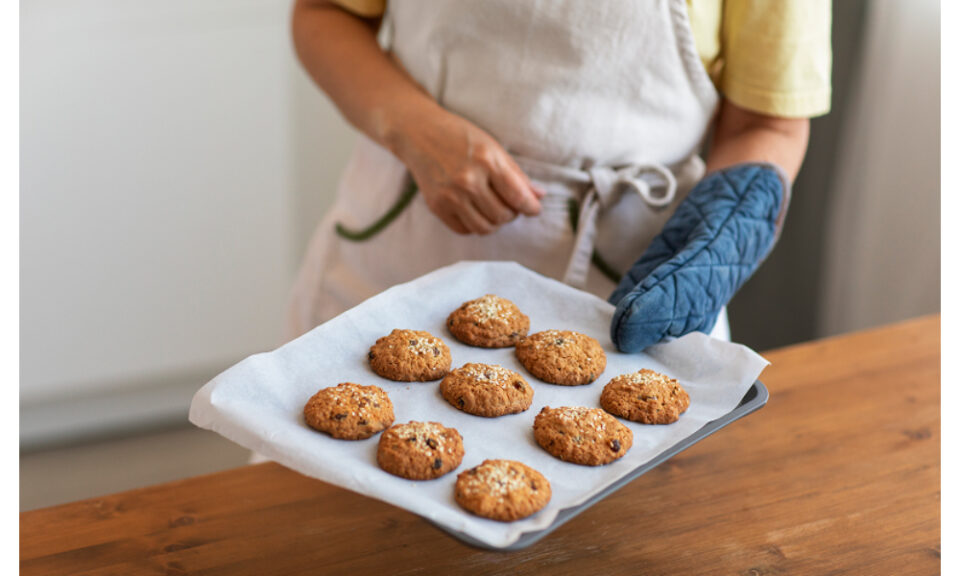
Chocolate chip cookies look simple on the surface. Flour, butter, sugar, chocolate, heat. Yet anyone who has tasted exceptional chocolate chip cookies in Singapore knows the difference between a casual bake and a professionally produced one. That difference begins long before the oven warms up. It starts with standards—clear, disciplined, and consistently applied across every stage of production inside a cookie bakery.
This article breaks down how bakery standards shape the final cookie, focusing on what truly matters to flavour, structure, freshness, and visual appeal.
Ingredient Control Sets the Baseline
Every cookie bakery works with similar core ingredients, but standards dictate how those ingredients are selected, stored, and measured. Butter temperature affects spread. Sugar ratios influence chew and colour. Chocolate quality controls melt behaviour and flavour release.
Professional bakeries weigh ingredients precisely rather than relying on volume measures. This prevents batch inconsistency, a common issue in casual baking. Flour hydration stays controlled. Chocolate pieces distribute evenly rather than sinking or clustering. The result feels intentional, not accidental.
For chocolate chip cookies in Singapore, ingredient control matters even more due to the climate. Humidity affects flour moisture and dough stability. Strong bakery standards account for this by adjusting storage conditions and mixing times rather than hoping for the best.
Dough Handling Shapes Texture
Dough handling separates disciplined production from guesswork. Standards determine how long dough rests, how it is portioned, and how it is stored before baking. These choices directly influence chew, crisp edges, and interior softness.
Resting dough allows flour to hydrate and flavours to develop. Skipping this step produces flatter cookies with muted taste. Over-resting, however, creates excessive spread and uneven browning. A well-run cookie bakery sets precise rest windows and enforces them consistently.
Portioning also follows standards. Uniform scoops ensure even baking across trays. Irregular portions lead to underbaked centres or overbaked edges, both of which break trust with repeat customers.
Baking Protocols Define Consistency
Oven management is one of the most underestimated factors in cookie quality. Temperature accuracy, tray rotation, and bake timing require constant attention. Professional bakeries rely on calibrated ovens and documented bake profiles rather than visual guesswork.
Chocolate chip cookies in Singapore often face challenges with heat retention and airflow due to high ambient temperatures. Bakery standards compensate by adjusting bake times and tray spacing. These small changes protect texture and prevent greasy surfaces or collapsed centres.
Consistency here is not about rigidity. It is about repeatable excellence. Customers expect the same cookie today as they did last week. Standards make that possible without killing creativity.
Cooling and Setting Are Not Afterthoughts
The moment cookies leave the oven, standards continue to matter. Cooling racks, spacing, and timing affect how cookies set. Too much stacking traps steam and softens edges. Poor airflow leads to condensation, especially in humid environments.
A disciplined cookie bakery treats cooling as part of baking, not a separate step. Cookies are allowed to firm naturally, preserving structure while locking in chew. This stage determines whether a cookie holds its shape in packaging or collapses under its own weight.
Chocolate distribution also stabilises during cooling. Proper standards prevent chocolate bleed and surface streaking, which can affect both appearance and mouthfeel.
Display and Packaging Protect the Product
Display is not just visual merchandising. It is product protection. Bakery standards govern how cookies are stored, how long they remain on display, and how they are packaged for delivery.
Exposure to air dries cookies quickly. Excess moisture causes sogginess. Controlled display environments balance airflow and humidity. Packaging materials are chosen to preserve texture rather than simply look attractive.
For chocolate chip cookies in Singapore, this matters even more when delivery is involved. Without proper standards, cookies arrive greasy, broken, or stale. A strong cookie bakery designs its display and packaging process around real-world conditions, not ideal ones.
Standards Build Trust, Not Just Taste
Customers may not see bakery standards, but they feel them. Consistent texture, predictable flavour, and reliable freshness create confidence. That confidence turns first-time buyers into repeat customers.
Strong standards also allow bakeries to scale without sacrificing quality. Whether producing a dozen cookies or hundreds, the process remains stable. Creativity sits on top of structure, not instead of it.
In competitive dessert markets, standards quietly separate bakeries that last from those that burn out.
Why This Matters to Cookie Lovers
Understanding bakery standards changes how people evaluate cookies. It explains why some chocolate chip cookies in Singapore taste balanced while others feel rushed. It highlights the skill behind what often looks effortless.
Good cookies are not lucky accidents. They are the result of deliberate choices repeated daily, batch after batch.
Craving chocolate chip cookies made with discipline, intention, and zero shortcuts? Visit Nasty Cookie today for cookie delivery in Singapore and taste what proper cookie bakery standards actually deliver.
