
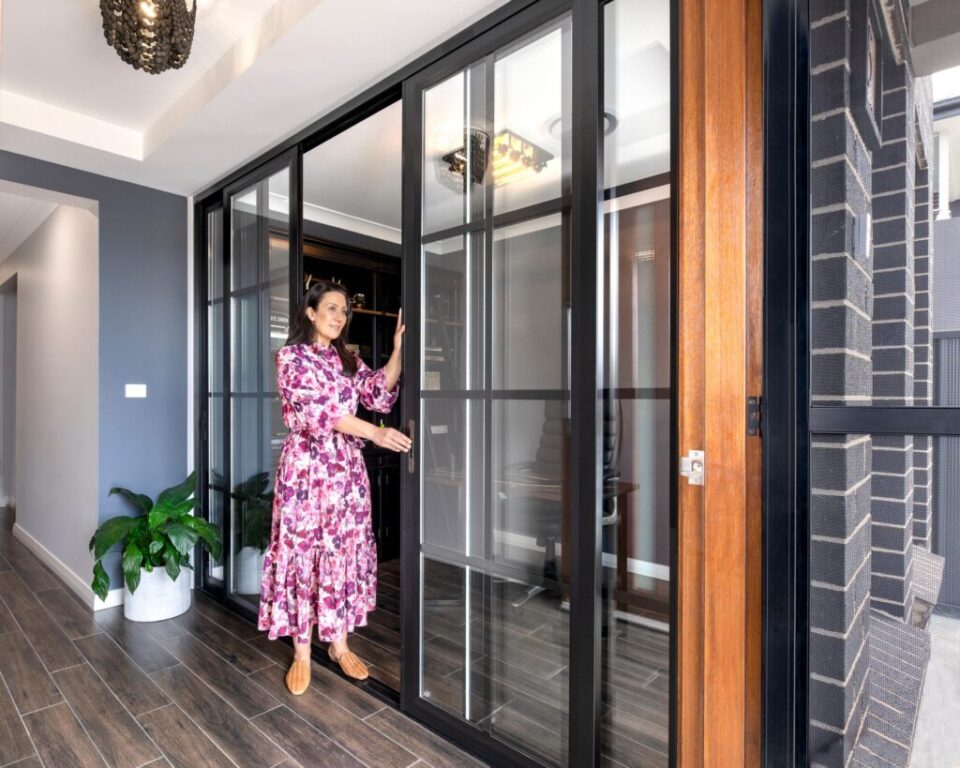
Sliding glass doors have become a hallmark of modern home design. They brighten interiors, provide seamless transitions to outdoor areas, and enhance the feeling of open space. Yet, while many assume that these doors are all built the same, the truth is more nuanced. Dimensions, frame choices, and design features can vary significantly, often influencing both style and functionality.
1. There Is a Typical Standard Size
Among all the variations, a common measurement exists that most builders rely on. The standard size for a sliding glass door usually stands 80 inches tall, with widths commonly stretching from 60 to 96 inches. This range fits the majority of homes, making installation easier and more cost-effective. Builders prefer these dimensions because they balance wide openings with structural practicality.
For homeowners, choosing a standard size often means access to a wider selection of doors at more competitive prices. Stock models are typically ready-made, which speeds up delivery and avoids the expense of custom work. While it might seem limiting at first glance, these typical dimensions suit the needs of many living spaces.
2. Custom Sizes Are More Popular Than You Think
Not every home follows conventional layouts. Open floor plans, oversized patios, or walls with unusual dimensions often demand something beyond typical sizing. In such cases, homeowners often commission custom sliding doors that align with their architectural style. Taller doors, sometimes reaching up to 96 inches in height, create dramatic visual appeal and flood interiors with daylight.
Custom widths can also enhance functionality. For example, an extra-wide sliding door can make outdoor entertaining effortless. It also makes it easier to move large furniture or appliances in and out without difficulty. While custom options may carry a higher price tag, they can transform both the look and usability of a home.
3. Energy Efficiency Goes Beyond Glass Type
Many homeowners think of sliding doors simply as large panes of glass, but energy efficiency adds another layer of complexity. Larger doors can invite more natural light, but they may also allow greater heat transfer. Insulated glass options, such as double or triple-pane panels, reduce this risk. Low-emissivity coatings further improve performance by reflecting heat while still allowing light.
Key Elements That Shape Energy Efficiency:
- Pane construction (single, double, or triple)
- Frame material and thermal resistance
- Quality of seals and weatherstripping
- Orientation of the door relative to sunlight
Homeowners can select a size that balances beauty with practical comfort if they pay attention to these elements. A wider door might provide an expansive view, but pairing it with the right glass and frame ensures it does not compromise energy bills.
4. Accessibility Adds Another Dimension
Ease of access is another factor tied to door sizing. Standard widths often accommodate everyday needs, but larger openings create opportunities for greater mobility. A wider door benefits households with wheelchairs, strollers, or frequent large deliveries. In addition, some models feature flush tracks, removing trip hazards and making movement smoother.
Smart Tips Before Finalizing a Size:
- Take exact wall measurements, including frame allowance.
- Factor in future accessibility requirements.
- Ensure furniture placement will not block movement.
- Review building codes regarding egress and safety.
These considerations ensure the chosen door size serves long-term needs rather than short-term aesthetics. Accessibility is increasingly valued, and sliding doors designed with this in mind enhance both safety and convenience.
Sliding glass doors are more versatile than they appear at first glance. Their sizes range from standard dimensions to custom options tailored for unique spaces. The standard size for a sliding glass door works well for many homes, offering cost efficiency and wide availability, but exploring variations in height, width, and frame design can unlock added benefits. Weighing style, energy performance, and accessibility helps homeowners select a door that adds both visual appeal and lasting functionality.
