
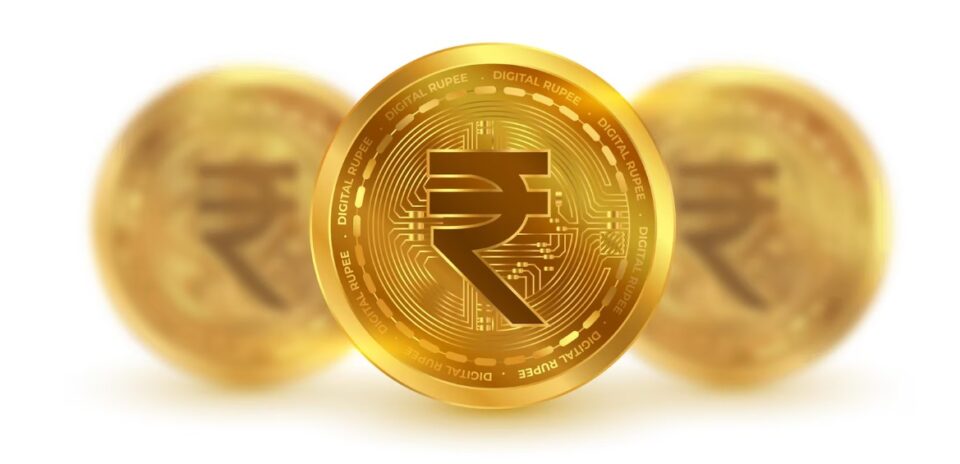
Overview: The RBI’s Digital Rupee initiative is poised to revolutionise India’s personal loan ecosystem. This central bank digital currency will likely reduce transaction costs, enable near-instantaneous loan disbursals, strengthen security through blockchain, and improve credit assessment capabilities—potentially making personal loans more affordable and accessible.
Digital Rupee and its Impact on Lending
The Reserve Bank of India’s (RBI) Digital Rupee (e₹) represents a landmark shift in our financial landscape. This central bank digital currency exists in two forms: CBDC-Wholesale for interbank settlements and CBDC-Retail for consumer transactions. Unlike cryptocurrencies, the Digital Rupee is backed by the RBI, making it a stable, secure alternative to physical cash.
For the average Indian, the Digital Rupee promises a faster, more efficient way to handle financial transactions. However, its impact goes far beyond simple payments—it’s set to transform how personal loans work in our country.
The personal loan market in India has grown exponentially in recent years, with digital lending platforms disbursing over ₹15,000 crores annually. These instant personal loans offer amounts ranging from ₹10,000 to ₹9 lakhs with minimal documentation and quick approvals—sometimes in minutes.
Faster Loan Processing and Lower Costs
The Digital Rupee’s blockchain technology enables near-instantaneous settlements, dramatically reducing the time between loan approval and disbursal.
Traditional personal loan processing involves multiple verification steps and payment gateway charges that increase costs. The Digital Rupee eliminates these intermediaries, potentially reducing processing fees by 2-3%.
| Aspect | Traditional Personal Loans | Digital Rupee-Enabled Loans |
| Disbursal Time | 2-24 hours | Potentially minutes |
| Processing Fees | 2-5% + GST | Could reduce by 2-3% |
| Payment Gateway Charges | ₹25-100 per transaction | Minimal to none |
| Settlement Time | 1-2 business days | Near-instantaneous |
For example, on a ₹5 lakh personal loan with a traditional 3% processing fee, you would pay ₹15,000 upfront. With Digital Rupee-enabled loans, this could potentially drop to ₹5,000-₹7,500, making instant loans more affordable.
Many Indians hesitate to apply for instant loans due to high processing charges. The eligibility criteria for most loans already require a minimum monthly income of ₹25,000 and a credit score above 650. With reduced processing fees through Digital Rupee transactions, personal loans could become accessible to a broader segment of borrowers.
| Did You Know? Unlike UPI, which just moves money between banks, the e₹ is actual digital cash, meaning if your bank goes down, your e₹ wallet will still work. |
Enhanced Security and Transparency
The blockchain behind the Digital Rupee creates an unalterable record of transactions, potentially reducing India’s ₹500 crore annual personal loan fraud by 70%. For borrowers, this means:
- Lower risk of identity theft during loan applications.
- Verifiable proof of all repayments.
- Protection against fraudulent loan offers.
- Transparent terms enforced by smart contracts.
- Reduced chances of hidden charges.
Today, many borrowers suffer credit score damage due to unrecorded repayments. With the Digital Rupee, every payment is permanently logged on the blockchain, providing irrefutable proof and safeguarding your financial reputation.
Smart Contracts and Automated Loan Management
The Digital Rupee enables programmable money via smart contracts (self-executing agreements that could transform instant loans). Smart contracts can:
- Disburse loans when conditions are met.
- Auto-collect repayments on set dates.
- Offer instant early payment discounts.
- Adjust interest based on repayment history.
- Release collateral on completion.
For busy professionals using the Airtel Thanks App, smart contracts could automatically schedule loan repayments from their Digital Rupee wallets, eliminating the risk of missed payments and late fees.
Financial Inclusion Through Easier Access
The Digital Rupee has the potential to extend personal loan access to India’s underbanked population—currently estimated at 190 million adults.
Traditional lending requires extensive documentation and credit history. Digital Rupee transactions would create alternative data sources for credit assessment, potentially helping those without formal credit histories qualify for instant loans.
For example, regular Digital Rupee transactions for utility bills, rent, and other expenses could help establish financial responsibility patterns that lenders might accept in lieu of traditional credit scores.
The interest rates for personal loans currently range from 10.5% to 24% per annum, largely determined by credit history. With alternative data from Digital Rupee transactions, even first-time borrowers might access rates closer to 12-15%.
| Pro Tip: Start with small Digital Rupee transactions to get familiar with how it works. This helps you spot any differences from UPI or wallet payments. When larger features like instant loan smart contracts roll out, you’ll be ready to take full advantage. |
Summing up
The RBI’s Digital Rupee initiative stands to transform India’s personal loan landscape through faster processing, reduced costs, enhanced security, and greater financial inclusion. As this technology rolls out across the country, borrowers can expect more efficient, transparent, and accessible instant loans.
If you’re considering a personal loan in the near future, staying informed about Digital Rupee developments could help you access better terms. For those looking to explore current personal loan options, gold loan alternatives, or business loans, Airtel Finance offers competitive rates with minimal documentation requirements.
FAQs
1. Will Digital Rupee-enabled personal loans have lower interest rates?
While processing fees may decrease, interest rates depend primarily on credit risk assessment. However, improved data from Digital Rupee transactions may help some borrowers qualify for better rates.
2. How can I prepare for Digital Rupee-enabled instant loans?
Maintain a good credit score, familiarise yourself with digital wallets, and consider exploring the Insta EMI card options available today for similar quick-access credit solutions.
3. Will Digital Rupee transactions affect my credit score?
Yes, Digital Rupee transaction data will likely be incorporated into credit assessment models, potentially creating a more comprehensive picture of your financial behaviour beyond traditional loan repayments.
4. Can the Digital Rupee help me get an instant loan without a credit history?
Potentially, yes. Your Digital Rupee transaction patterns could serve as alternative data for lenders to assess your creditworthiness even without a formal credit history.
5. How secure will personal loan transactions be with Digital Rupee?
Digital Rupee transactions will leverage blockchain technology, offering significantly higher security through encryption and immutable transaction records compared to current digital payment methods.
