
It’s tempting to think aircon installation only starts when the drill comes out and the brackets go up. But the truth is, everything begins long before that. When you install an aircon in your home, the quiet groundwork is what determines whether the system performs smoothly or becomes a source of endless frustration. And if there’s one thing Singaporeans don’t want, it’s a unit that cools unevenly or breaks down during a humid afternoon.
The Real Starting Point: Understanding the Space
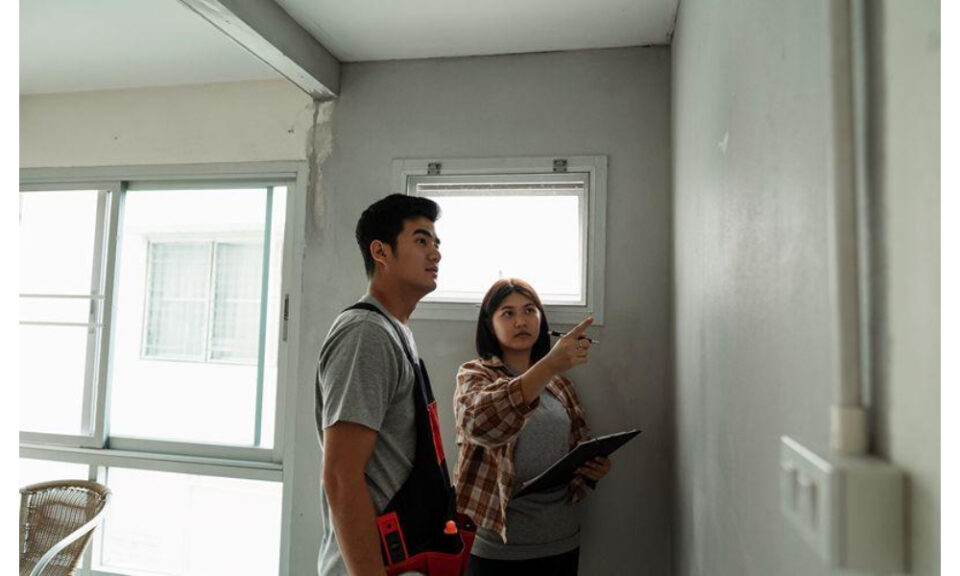
Every installation begins with a site assessment. It sounds formal, yet it’s really about understanding how your home behaves. The heat coming from west-facing windows, the airflow in tight corridors, the layout of your furniture — all these tiny details influence how well an aircon in Singapore performs.
You know what? Many homeowners are surprised by how much comfort depends on sizing. A system that’s too small struggles nonstop. A system that’s too large cools too fast without removing humidity, leaving rooms cold but oddly clammy. That’s why the assessment phase isn’t just a box-ticking exercise; it’s essential.
Installers often use BTU calculators, floor-plan measurements and sometimes thermal checks. And yes, they’ll ask questions about your lifestyle too — whether you work from home, whether your kids use the room often, or whether you enjoy cooler temperatures at night.
Planning the Layout: Finding the Sweet Spot
Once the assessment is done, planning takes centre stage. Here’s the thing: even the best unit won’t work well if it’s mounted in the wrong place. Technicians consider airflow patterns, condensation safety, wall strength and pipe-routing possibilities. That last one matters more than most people realise. If piping runs are too long or forced into awkward routes, the system becomes less efficient and sometimes even noisier.
When you install an aircon in an HDB or condo, planning also involves navigating building restrictions. Some estates have strict guidelines on trunking routes or placement of outdoor compressors. And honestly, these rules help maintain aesthetics and safety, even if they feel inconvenient.
A well-planned layout also avoids placing indoor units where direct airflow hits your face while you sleep. Nobody likes waking up with a dry throat because the cool air is blowing too strongly.
Integrating Technology: More Than Just Cooling
Modern systems come with smart features, energy-saving modes and sensors that track humidity. During planning, professionals will suggest models that fit your lifestyle. If you live with elderly parents or young children, for example, systems with gentle airflow or quiet modes become more important. If you’re energy-conscious, inverter systems and eco-settings matter more.
And while technology keeps evolving, one thing stays constant — the installation still relies on solid groundwork. You can have the smartest aircon in Singapore, but if the assessment and planning are rushed, the final performance won’t match the promise.
Safety and Long-Term Thinking
Planning also covers safety checks like electrical load capacity. Many people forget that air-conditioning draws more power than most appliances, so wiring needs to be stable and properly rated. Technicians will review this before installation to prevent issues later.
They’ll also plan maintenance access. This sounds like a small detail, but future servicing becomes easier and faster when filters and fan coils are placed where technicians can reach them without complicated dismantling.
And yes, you’ll hear them mention drainage gradient too. A poorly planned drainpipe can cause leaks — something nobody wants trickling down their bedroom wall.
Why Planning Makes Everything Smoother
When you think about it, the planning stage sets the tone for the entire lifespan of the system. It determines comfort, durability and ease of future servicing. Without proper assessment, even a high-end unit struggles. With it, even a modest unit performs well.
For homeowners looking to install an aircon for the first time or upgrade an old system, taking this early stage seriously pays off. It leads to quieter operation, better cooling and lower energy consumption. And honestly, that’s what everyone wants — a comfortable space that doesn’t fight against the heat.
Conclusion
Thoughtful assessment and careful planning create the foundation for efficient, comfortable and long-lasting cooling at home. Anyone preparing to install an aircon should work with a team that understands layouts, airflow and safety so that the final setup performs reliably for years. Contact Airple today to learn more or get started.
