
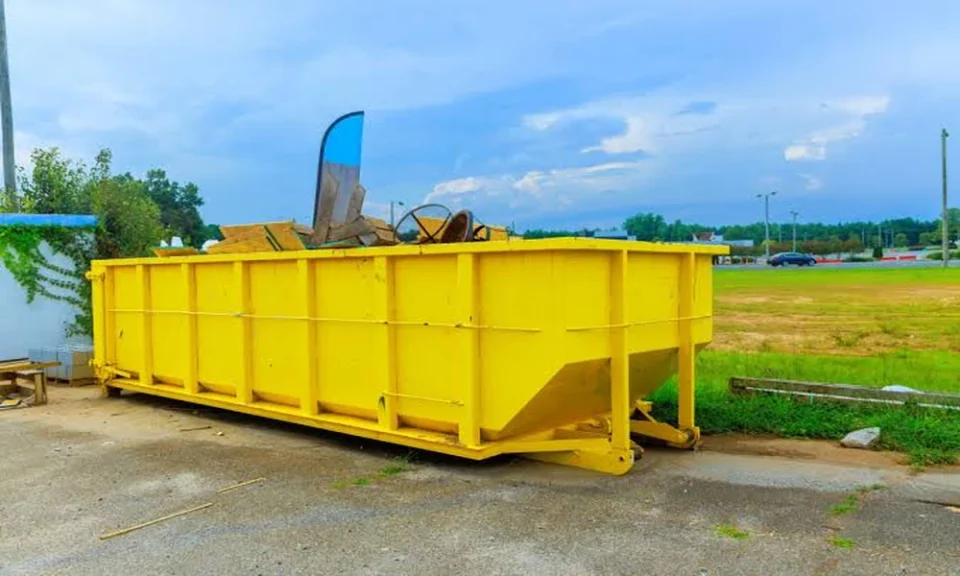
Two dumpsters, same size, same street, and a $410 difference on the invoice. I’ve watched that happen on back-to-back clean-outs. The container isn’t the pricy part. The pricing model is.
Most people rent a roll-off once every few years, so they compare the only number they can see: the quoted rate. That quote rarely covers the whole job. Weight overages, fuel charges, and extra days stack up after the truck leaves. If you know three things before you dial, you skip almost all of it. A local hauler like this waste management company in Clinton, MA will tell you its fee structure up front, but only if you ask the right questions.
Here’s what you’re about to get: the fee traps that matter, how to size a container without guessing, and a five-question script that has saved me real money more than once.
Why the cheapest quote on the list usually isn’t
A low base rate is a hook, not a price. Haulers make margin on the back end, and there are a few standard places they do it.
- Flat rate versus weight-based. Some companies charge the same regardless of container size and bill the difference by tonnage afterward. Others bake an allowance into the rate. These behave very differently when you’re throwing out shingles.
- Overage per ton. A base rate usually includes a ton or two. Everything past that gets billed by the ton, and the number per ton varies wildly.
- Extra days. A “week rental” sometimes means five days. Day six costs money.
- Prohibited items. Tires, mattresses, and appliances often carry a separate fee because the landfill charges one too.
My rule: compare the all-in estimate for your actual debris, not the sticker. Ask each hauler to quote a range for your job type and refuse to book until you’ve heard a total, not a starting point.
Sizing a dumpster when you have no idea how much stuff you have
Nobody measures their junk in cubic yards. So picture it instead:
| Container | Roughly holds | Typical job |
|---|---|---|
| 10 yard | About 3 pickup truck loads | Single bathroom gut, small garage clean-out |
| 15 yard | About 4 to 5 pickup loads | Kitchen remodel, heavy attic purge |
| 20 yard | About 6 pickup loads | Whole-house clean-out, small roofing tear-off |
| 30 yard | About 9 pickup loads | Major renovation, siding and deck removal |
Heavy materials flip the math. Dirt, concrete, and shingles blow past a weight allowance long before the container looks full. A 20-yard box of concrete can weigh more than a 30-yard box of furniture. Tell the dispatcher what you’re throwing out, not just how big your project is, and let them steer you. That’s their job, and the good ones will talk you down a size if it fits.
What heavy debris actually does to your bill
This is where clean-outs go sideways. Construction and demolition debris is dense, and a landfill bills by weight. According to the Environmental Protection Agency, construction and demolition materials make up a large share of the country’s solid waste stream, which is exactly why haulers price heavy loads so carefully. You should assume heavy debris comes with a weight conversation, not a flat price.
If your project involves a dumpster-weight problem, ask two questions on the call. What weight is included, and what’s the per-ton rate after that? Write both down. Then decide whether a smaller container with a quick swap beats one big box that blows past the allowance. My pick for a bathroom gut: the 10-yard, picked up early, every time. For a deck teardown, a 20-yard with a stated weight allowance and a scheduled pickup.
The five questions I ask before I book
Run this script with every hauler. The answers separate a real operation from a call center.
- What’s included in the base rate? Days, tonnage, delivery, and pickup should all be named out loud.
- What’s the per-ton overage, and when do you weigh? Some weigh empty and full on-site. That’s a good sign.
- Where can you place the container? Driveway, street, or lawn? Street permits are usually on you, and the city still has to approve it.
- How fast can you swap or pick up? The best experience I’ve seen was a pickup about two hours after the call. Ask for the window, not a promise.
- Who answers when something goes wrong? Get a name and a direct number.
Bonus question, and this one earns its place: what can’t go in the box? Paint, propane tanks, and electronics usually get refused at the landfill, and the Federal Trade Commission regularly warns about how easy it is to get stuck with junk-removal offers that quote one price and bill another. Knowing your hauler’s prohibited list before you toss a half-full paint can saves an awkward conversation at pickup.
Placement, permits, and property damage
A loaded 20-yard container weighs several tons. It will leave a mark on soft ground, and a fresh asphalt driveway can crack under it. Ask the hauler to put boards or plywood under the rails, which most drivers do by default but should confirm. Keep the container clear of power lines and garage doors. If you’re placing it on the street, expect to pull a permit from your town, and expect a few days of lead time.
Fair warning: homeowners in growing towns feel this squeeze. The U.S. Census Bureau tracks steady population movement into suburbs and smaller cities, and more households means more renovation permits, more street parking disputes, and longer permit queues. Book the container before you swing a sledgehammer, not the morning of demo day.
Matching the service to the job, not just the price
A dumpster is one piece of the puzzle. A full-house clean-out might need a hauling company that can also handle a portable restroom for the crew and, on a rural lot, septic service once the work wraps. Some local outfits run all three under one roof, which means one phone number and one crew, and often a real discount for bundling. Check what services a hauler offers before you sign. You may also find that a company that pumps septic and rents containers can schedule around your project in one call instead of three.
Here’s my honest take: bundle when the hauler can actually deliver fast, and split when they can’t. Responsiveness beats convenience on a tight timeline.
What to do this week
Before you call anyone: measure your debris, list the heavy stuff, check your driveway, and figure out whether you need a permit. Then run the five questions with two or three haulers and compare all-in ranges. My money is on the company that answers the phone, quotes a real total, and tells you what they can’t take. In my experience, that’s the one that shows up when the weather turns.
Which number on your last quote was the surprise, the base rate, the overage, or the extra days?
