
Introduction
Lighting has evolved far beyond the traditional purpose of simply illuminating a room. Today, it plays an important role in architecture, interior decoration, commercial environments, and industrial applications. LED strip lighting has become particularly popular because of its flexibility, energy efficiency, compact design, and ability to create different lighting effects. From highlighting kitchen cabinets to illuminating retail displays and outdoor structures, these lighting solutions offer considerable creative possibilities. As demand for efficient illumination continues to grow, understanding LED strip technology, product specifications, and manufacturing quality becomes increasingly important for selecting suitable lighting products.
Understanding the Technology Behind LED Strip Lights
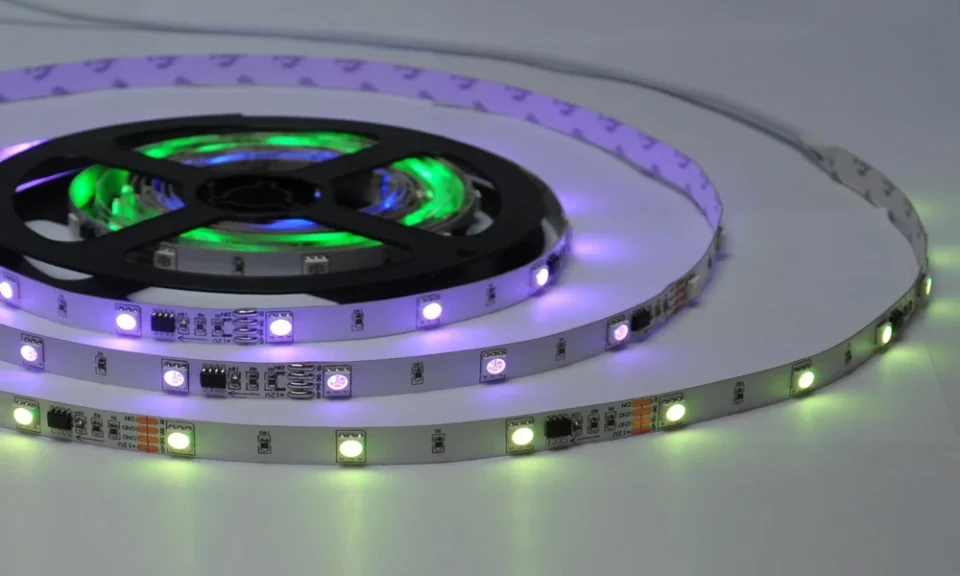
LED strip lights are flexible circuit boards fitted with multiple light-emitting diodes that produce illumination when connected to an appropriate power supply. Their compact structure allows installation in locations where conventional lighting fixtures may not be practical. Depending on the application, strips are available in different LED configurations, brightness levels, color temperatures, and widths. A reliable LED strip lights supplier can provide products designed for residential, commercial, decorative, and architectural projects. Understanding these variations helps buyers identify suitable lighting solutions while considering installation requirements, electrical compatibility, expected brightness, and long-term operating performance.
Why LED Strip Lighting Is Becoming Increasingly Popular
One major reason behind the popularity of LED strip lighting is its adaptability across different environments. These products can be installed along ceilings, staircases, furniture edges, display shelves, and architectural features to create attractive lighting arrangements. Their flexibility also makes them suitable for customized projects involving curved surfaces and restricted installation spaces. Compared with many traditional lighting options, LED strips generally consume less electricity while offering practical illumination. Their availability in different brightness levels and color temperatures allows designers, contractors, and property owners to select lighting that complements the intended atmosphere and functional requirements.
Exploring Different LED Configurations and Lighting Performance
The performance of an LED strip depends on several technical characteristics, including diode type, chip arrangement, power consumption, and thermal management. SMD LEDs are commonly used because they provide consistent illumination in relatively compact designs. COB technology represents another important development, placing closely arranged LED chips along a strip to create a smoother appearance with fewer visible light points. A cob led strip factory typically focuses on production processes, chip placement, circuit quality, and consistent illumination. These manufacturing considerations influence the final product’s appearance, flexibility, reliability, and suitability for different lighting applications.
Product Specifications and the Importance of Brightness
Product specifications provide useful information when comparing different LED strip models. Brightness, measured in lumens, indicates the amount of visible light produced, while color temperature determines whether illumination appears warm, neutral, or cool. Voltage compatibility and power consumption are equally important because they influence installation planning and electrical requirements. For example, 5050-WW-300 LED Strip Features: Utilizes super-bright SMD5050 LEDs (19-20 lm/LED) as the light source. sources; as the light source. This specification highlights the use of SMD5050 technology for producing warm-white illumination. Such details help buyers evaluate whether a particular strip meets the brightness and appearance requirements of a planned project.
Applications Across Residential and Commercial Spaces
LED strip lighting offers numerous possibilities in residential environments, particularly where decorative and functional illumination need to work together. Under-cabinet kitchen lighting can improve visibility during food preparation, while concealed ceiling installations create a softer atmosphere in living spaces. Bedrooms, wardrobes, staircases, and entertainment areas can also benefit from carefully positioned LED strips. Commercial applications include retail shelving, hotel interiors, restaurants, exhibition displays, and office environments. In these settings, lighting contributes to product presentation, navigation, and overall visual appeal. Selecting suitable brightness and color temperature helps maintain a balanced appearance without creating unnecessary glare.
Manufacturing Quality and Factors Buyers Should Consider
Manufacturing quality has a direct influence on the reliability and performance of LED strip products. Important considerations include the quality of LED chips, printed circuit boards, soldering, insulation materials, and adhesive backing. Proper heat management is particularly important because excessive operating temperatures can affect component performance and product lifespan. Buyers evaluating a LED strip lights supplier should also examine technical documentation, product consistency, customization options, and quality-control procedures. Certifications, where applicable, can provide additional information about product compliance. Comparing these factors instead of focusing exclusively on purchasing prices supports more informed decisions for residential and commercial lighting projects.
Installation Planning and Long-Term Maintenance
Correct installation is essential for achieving consistent lighting performance and avoiding unnecessary electrical problems. Before fitting an LED strip, installers should measure the required length, check the available power supply, and confirm that the selected voltage matches the product specifications. The installation surface should be clean, dry, and suitable for the adhesive backing. For longer installations, voltage drop should also be considered because it can cause brightness differences along the strip. Appropriate connectors, compatible controllers, and suitable power supplies contribute to dependable operation. Periodic inspection of connections and surrounding temperatures can further support long-term performance.
The Future of LED Strip Lighting Technology
Developments in LED manufacturing continue to introduce new opportunities for lighting designers, architects, and businesses. Improvements in chip efficiency, color consistency, dimming controls, and smart lighting integration are expanding the possible uses of LED strips. COB technology is especially relevant for projects requiring continuous-looking illumination without prominent individual light points. As product designs become more specialized, choosing a capable cob led strip factory becomes an important consideration for businesses seeking consistent production and customized specifications. Advances in materials and thermal management may also contribute to improved efficiency, durability, and greater flexibility in future lighting installations.
Conclusion
LED strip lighting has become an important part of modern illumination because it combines flexibility, energy efficiency, and design versatility. From residential interiors to commercial displays and architectural installations, these products offer practical solutions for a wide range of requirements. Selecting suitable specifications, understanding LED technologies, and evaluating manufacturing standards are essential steps toward achieving reliable lighting performance. Businesses and buyers exploring different product options can visit dekingled.com to learn more about available lighting solutions. dekingled.com provides a reference point for exploring LED strip products and understanding how suitable lighting technology can support evolving project requirements.
