
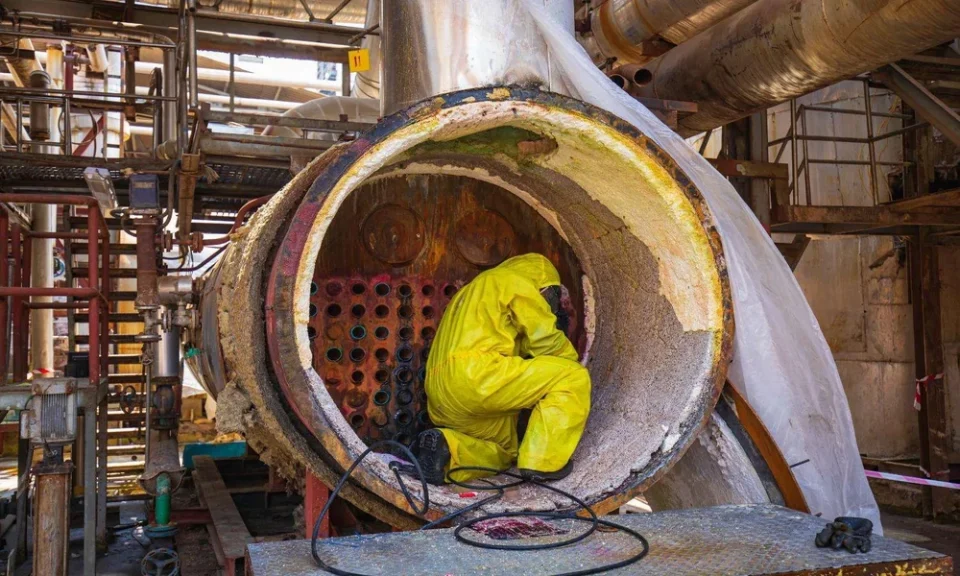
Dirt never waits for a convenient week. The line runs, the buildup grows, and one Tuesday morning the transfer pump starts groaning at a pressure your operators haven’t seen since commissioning. That’s the moment most facilities start calling around for help, and it’s roughly two weeks after the point where the smart move would have been a scheduled cleaning window.
I’ve watched enough plant maintenance calendars to say something blunt: hydrojetting almost never fails on the cleaning itself. It fails on the planning, the access, the paperwork, and the question of who’s actually going to stand in the wet with a lance at 2 a.m. Get those four things right and the job is almost boring, which is exactly what you want.
If your facility sits in North Texas and you’re tired of reacting to fouling after it slows production, a crew that handles hydro jetting services in Dallas can slot a planned window around your operating schedule instead of squeezing you in after a failure. Here’s how to make that window count.
What hydrojetting actually removes that other methods miss
High-pressure water does something mechanical scraping and chemical soaking can’t do alone: it reaches the wall of a vessel, pipe, or exchanger tube and shears the deposit off without gouging the metal underneath. Hardened scale, dried coatings, polymer residue, food byproduct films, and the crust that forms inside a reaction vessel between campaigns all come off when the nozzle passes. The surface comes back close to bare.
The catch is that jetting has to be aimed. A single nozzle run blindly down a pipe cleans the pipe. A rotating head sized to the deposit, matched to the line diameter, and pulled at the right rate cleans the pipe without wasting a shift on the same six feet. That’s where the money sits.
Deposits that respond well, and the ones that surprise people
Scale and mineral crust come off fast. What trips up facility teams is soft, gummy material, like the residue left in a food line or a cosmetic batch tank, because it smears before it releases unless the operator adjusts the nozzle pattern and the pull rate. Ask your contractor how they handle soft deposits. Vague answers are a warning.
Plan the window backwards from your production calendar
I’ve watched contractors get blamed for overruns caused entirely by an access door that took four hours to open. That is a scheduling problem, not a cleaning problem.
Start with the shutdown date and walk backward:
- When does the vessel or line come offline, and does the isolation valve actually hold?
- Who signs the confined space entry permit, and are they on site that day?
- What equipment needs to be moved, and does it clear the aisle?
- Where does the wastewater go, and what volume can your treatment system take?
- Who is the single point of contact when a nozzle stalls at 3 a.m.?
That last one matters more than people expect. In my experience, the jobs that run long are rarely the ones with the hardest deposits. They’re the ones where the plant contact went home at five and nobody could authorize an extra pass.
Under the Occupational Safety and Health Administration‘s confined space requirements, entry into tanks and pits requires a permit, atmospheric testing, and a designated attendant. Contractors who do this daily will know the drill cold. If your facility’s own permit process is slow, fix that before the crew arrives, not during.
The setup is where the real time disappears
Here’s the part that surprises first-time plant managers. The water goes on and off quickly. What stretches a job into two days is everything around it: pressure testing hoses, staging the pump and water source, running lines to the vessel, setting up containment, and pulling the permit.
My view, and I’ll take heat for it: for a tank with modest buildup, a crew that charges more per hour but arrives fully self-contained and ready to run will beat the cheaper crew that spends six hours assembling equipment and four running the lance. Price the whole window, not the hourly rate.
The Window Framework (how I sanity-check any cleaning plan): Access secured before pricing. Baseline deposits documented with photos. Containment and wastewater path agreed in writing. Decision authority named, with a phone number. If any of the four is missing, the schedule is a guess.
What good contractors bring that a rented unit doesn’t
You can rent a pressure unit. What you can’t rent easily is judgment about which nozzle to run, how fast to pull, and when to stop before a tube sheet gets damaged. That judgment is the product.
Contractors who work with the Environmental Protection Agency‘s waste rules day to day also think about where the water goes. Jetting produces a lot of dirty water, and if your treatment system is small, the discharge volume becomes the limiting factor in how many passes you can afford. Knowing that up front changes the plan.
Ask three questions before you sign:
- What pressure range do you expect for this deposit, and why?
- How do you protect the tube sheet or coating under the deposit?
- What’s your containment plan for the runoff?
Answers that come fast and specific mean you’re talking to someone who’s done it. Answers that circle back to “we’ll assess on site” mean you’re financing an education.
The paperwork most plants underrate
Documentation looks like overhead until the first audit or insurance review. Photos of the deposit before, the surface after, the permit, the discharge record. I’d rather have a thin binder of clean records than a verbal assurance that the line is clear.
For credibility framing, the National Institute of Standards and Technology publishes work on industrial process measurement and traceability, and the same logic applies here: if you can’t show the condition before and after, you can’t defend the maintenance decision later. Document like the file will be read by someone who wasn’t there.
Scheduled, not scrambled
Hydrojetting done well is maintenance, not emergency response. Plan the window, secure access, put one person in charge, and demand before-and-after evidence. That turns a stressful call into a routine item on the calendar, and it keeps your pump from groaning on a Tuesday you didn’t choose.
Where in your plant is the deposit you’ve been politely ignoring? Name it this week, and put a date on the calendar before it names itself.
