
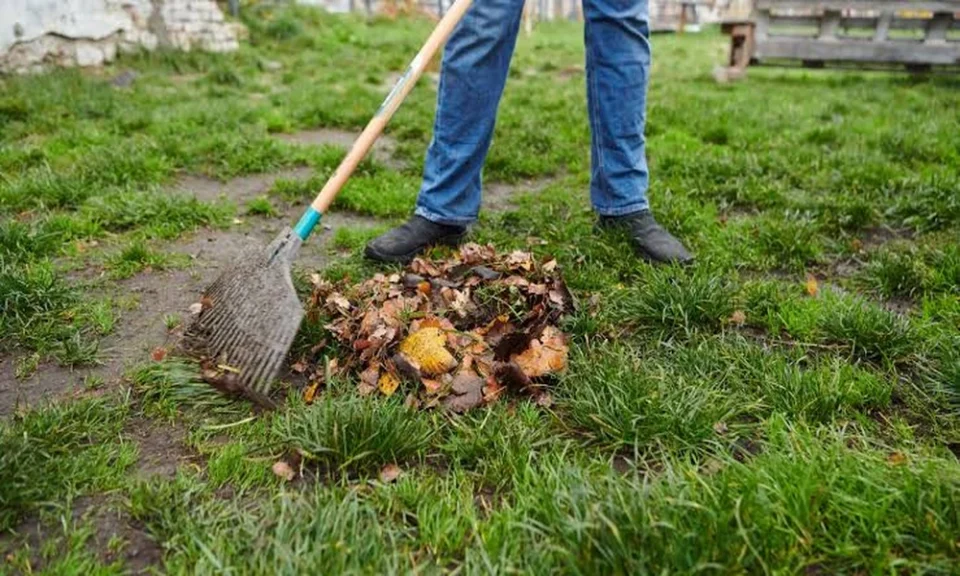
Six inches of topsoil. That is roughly what separates a healthy Eastern Shore lawn from the Chesapeake Bay, and it explains why fertilizer decisions here carry more weight than they do in a suburb three hundred miles from open water.
Most homeowners in Talbot, Dorchester, and Queen Anne’s counties want the same thing: thick grass in July, no mud pit in March, and no guilt every time it rains. Those goals pull against each other more than the lawn care brochures admit. If you have been reading up on organic-based lawn care in Maryland, you already know the pitch about feeding soil instead of grass. What you probably still need is the order of operations, because organic programs fail for one reason far more than any other: people apply the right products at the wrong time.
Below is the seasonal sequence that actually holds up on sandy Shore soil, the spots where it breaks, and how to read your own yard so you stop guessing.
What makes an Eastern Shore lawn different?
Three things, and none of them show up in a generic fertilizer chart.
First, the soil drains fast. Much of the peninsula sits on sandy and gravelly coastal plain material, so water and mobile nutrients move down and out before slow-release products can finish their work. Second, the water table is close and the shoreline is closer. Every pound of nitrogen that leaves your yard has a plausible path to a creek. The EPA has long flagged excess nutrients as a leading driver of Bay water quality problems, which means runoff from a half-acre lot is not a private matter.
Third, the heat and humidity are brutal on cool-season grass. Tall fescue, the workhorse turf east of the Bay Bridge, wants to go dormant in July and sulk through August. Push it with quick nitrogen and you get a green flush followed by brown patch, which is the fungal equivalent of a hangover.
My honest read: the Shore is one of the harder places in the mid-Atlantic to grow a lawn well, and one of the easiest places to grow one cheaply and badly.
The three-layer approach that beats a calendar
I use a simple mental model I call the Sandwich Method. Think of your lawn as bread, filling, bread. Each layer does a job the others cannot.
- Bottom bread: biology. Compost topdressing and a fall aeration pass build the living layer that holds moisture in sand.
- Filling: slow feeding. Organic-based granular products release over weeks instead of days, which matches how fescue actually eats.
- Top bread: canopy. Mowing height and overseeding density shade out crabgrass so you are not spraying for it in June.
Skip the bottom layer and you are renting green. Skip the top layer and you are paying for weeds either way. The middle layer is only as good as the two around it, which is why switching to an organic product alone rarely produces the dramatic result homeowners expect after one season.
When should you actually apply anything?
Here is the timing that matters, in order of importance.
- Early fall (roughly late August into September). Aerate, overseed, topdress with compost, then feed. This single window does more for a Shore lawn than everything you do in spring combined, because soil is warm, air is cooling, and rain is more reliable.
- Late fall (October into November). A second feeding while grass is still green builds carbohydrate reserves for winter. Do not wait for the first hard frost.
- Late spring (May). A light pass only. Heavy spring nitrogen on tall fescue invites disease and feeds weeds as much as grass.
- Summer. Nothing. Mow high, water deeply but rarely if you water at all, and leave the bags off the mower.
If you only do one thing this year, do the fall sequence. I would trade three spring applications for one well-executed September.
Reading your own yard: the four-signal check
Before you buy a single bag, walk the lawn with a notepad. Competitors cannot replicate this because it is a judgment call you make on your own lot, not a product spec.
Weed signature. Dandelions and plantain love compacted soil. Crabgrass loves thin turf and heat. Sour sorrel often signals low pH and wet feet. The weed you have is telling you which layer of the sandwich is weak.
Color pattern. Even yellowing points to feeding. Patchy yellowing near trees points to shade stress or root competition, and no fertilizer fixes that.
Feel after rain. Grab a handful of soil and squeeze. If it crumbles straight away, you are sandy and need organic matter. If it ribbons like clay, drainage and compaction move to the top of your list.
Thatch depth. Dig a small square and look at the spongy layer between grass and soil. More than about half an inch and your watering and feeding are being wasted on dead material.
Mowing, water, and the small habits that carry the program
Set the deck to three and a half to four inches and leave it there all season. Taller blades shade the soil surface, which cuts crabgrass germination and holds moisture in sand. Sharp blades matter more than most people believe; a torn blade edge browns off and invites disease.
On water, the principle is deep and infrequent. One good soaking that reaches the root zone beats five light sprinklings that train roots upward into the heat. Early morning is the only sensible window, since evening watering leaves blades wet overnight.
And here is the habit almost nobody keeps: keep clippings on the lawn unless you are dealing with disease or heavy weeds. Your grass is the cheapest compost ingredient you own.
What to ask before hiring anyone
If you would rather hand the whole schedule to a company, the questions you ask say a lot about the answers you will get. The USDA publishes guidance on soil health and nutrient management that any reputable provider should be able to speak to in plain language, so use it as a benchmark.
Ask what they put down and when, whether their fall plan includes aeration and overseeding, and how they handle a grub or brown patch problem when it shows up. A provider who cannot explain the order of their applications is selling bags, not a program. Also ask whether they adjust for proximity to water. On the Shore, that question separates the pros from the trucks.
Where the program goes sideways
Two failure modes, and I have watched both play out on plenty of Shore properties.
The first is impatience. Organic-based feeding builds soil over seasons, and the yard looks average in month two. Homeowners respond by adding a synthetic boost in June, which is the worst possible month for it. The second is overcorrecting: skipping weed control entirely in year one and letting crabgrass outcompete the new seed you just paid for. The Natural Resources Conservation Service frames this as a soil health trajectory, and that word, trajectory, is honest. You are steering a direction, not flipping a switch.
My recommendation to anyone on the fence: give the full plan two autumns before you judge it. Judge it on weeds and density, not on color in the first week.
Start with the fall, judge by next summer
Eastern Shore lawns reward patience more than almost any landscape I know, and they punish shortcut feeding faster too, because the evidence washes downhill where everyone can see it. Run the four-signal check this weekend, put your money on aeration, overseeding, and two fall feedings, and let the grass tell you what it still needs in spring.
What did your soil feel like when you squeezed it after the last rain?
