
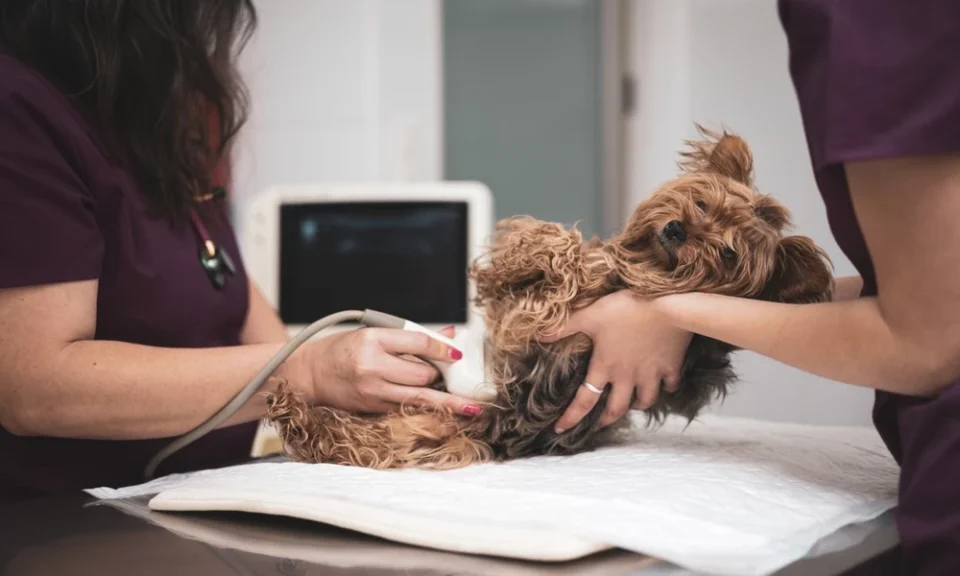
You might be feeling that familiar mix of worry and urgency that comes when your pet is not acting like themselves. Maybe they stopped eating, started vomiting, seemed weak, or just looked off in a way you cannot quite explain. In those moments, waiting is often the hardest part. You want answers, and you want them soon enough to make a real difference. That is where the importance of in house labs in animal clinics becomes clear, especially when working with a veterinarian in Strathroy, ON. When an animal clinic can run tests on site, it often means faster answers, quicker treatment decisions, and less time spent wondering what comes next.
For many pet owners, the difference between same day testing and sending samples out to another facility can feel much bigger than a scheduling detail. It can affect stress, cost, and your pet’s comfort. A clinic with an internal lab setup can often check blood work, urine, fecal samples, and other common diagnostics while you are still there or shortly after your visit. Because of that, care can move forward with less delay and more confidence.
Why do in house lab services matter when every hour feels important?
When a pet is sick, symptoms do not always tell the full story. A dog with low energy could have an infection, anemia, pain, or a problem with blood sugar. A cat hiding more than usual could be dealing with kidney disease, stress, or something far more urgent. Without testing, a veterinarian is left piecing together clues. With in clinic diagnostic testing, those clues become more useful, and often much faster.
This matters in everyday cases and in emergencies. If a pet comes in dehydrated, for example, quick blood work can show whether the kidneys are under strain, whether electrolytes are off, or whether there is a sign of infection. If a puppy has diarrhea, a fecal test done on site may help identify parasites the same day. If an older cat has lost weight, thyroid and chemistry testing may help narrow down the cause before the condition worsens.
So, where does that leave you as a pet owner? It means you are not just paying for speed. You are often paying for better timing in medical decisions. That can reduce the risk of treating blindly, waiting too long, or needing extra visits that could have been avoided.
What problems can delayed testing create for pets and their owners?
Delayed testing can create a chain reaction. First comes uncertainty. Then comes the question of whether to start treatment before results are back, which is not always ideal. In some cases, a veterinarian may need to give supportive care first and adjust later. In others, waiting may be safe but emotionally draining. If your pet is uncomfortable, every extra day can feel heavy.
There is also the financial side. People sometimes assume outside labs always cost less, but delays can lead to repeat visits, repeat exams, or treatment changes that add up. Fast answers can help avoid unnecessary medication or help confirm when immediate care is worth the cost. In that sense, on site veterinary laboratory testing can support both medical judgment and budget planning.
That does not mean outside labs are not useful. They absolutely are. Many advanced or specialized tests still need reference laboratories with broader capabilities. Leading institutions such as the Cornell Animal Health Diagnostic Center play an important role in complex diagnostics, and academic programs in diagnostic sciences help move veterinary medicine forward. But for many common and urgent questions, having lab tools right inside the animal clinic can make a meaningful difference.
How does an animal clinic use in house labs in real life?
In house labs are often used for the tests veterinarians need most often and most quickly. These may include complete blood counts, blood chemistry panels, electrolyte checks, urinalysis, fecal exams, heartworm screening, and tests for common infections. In a single visit, a veterinarian may be able to examine your pet, run key tests, review the numbers, and talk through treatment options while the case is still fresh.
Think about a dog that arrives after eating something questionable. If blood work is normal, your veterinarian may recommend monitoring and supportive care. If the values point to pancreatitis, liver stress, or dehydration, the plan may change right away. That kind of quick turn can shape whether your pet goes home, stays for fluids, or needs more advanced care.
What is the practical difference between in house labs and outside labs?
Both options have value, but they serve different needs. A simple comparison can help.
| Factor | In House Labs | Outside Reference Labs |
|---|---|---|
| Turnaround time | Often same day or within hours | Often one to several days, depending on test and transport |
| Best use | Urgent decisions and common diagnostics | Specialized, rare, or advanced testing |
| Impact on treatment timing | Can support immediate care changes | May require waiting before adjusting the plan |
| Convenience for pet owners | Fewer delays and sometimes fewer return visits | Useful when deeper analysis is needed |
| Role in an animal clinic | Supports fast daily case management | Supports broader diagnostic reach |
What does this mean in plain terms? If your pet needs quick answers, in house testing can help your veterinarian act sooner. If your pet has a more unusual condition, outside labs may provide a deeper level of detail. The strongest clinics often use both wisely.
What can you do right now if your pet may need diagnostic testing?
Ask what can be tested on site. Not every clinic offers the same internal lab services. If your pet is sick, ask whether blood work, urine testing, or fecal testing can be done during the visit. That simple question can help you understand how quickly you may get answers.
Share the full timeline of symptoms. Tell the veterinary team when the problem started, what changed, and whether your pet has eaten, vomited, had diarrhea, or taken any medication. Good testing works best when paired with a clear story. Small details often guide which tests matter most.
Ask how the results will change the plan. This is one of the most helpful questions you can ask. If a test is positive, what happens next? If it is normal, what does that rule out? Knowing this can help you feel more grounded and make choices with less uncertainty.
Why does the importance of in house labs in animal clinics keep coming up?
Because when pets are unwell, time, clarity, and comfort matter. Fast testing does not solve every problem, but it can shorten the path to the right care. It can help your veterinarian confirm concerns, rule out dangerous possibilities, and start treatment with more confidence. For you, that often means less waiting, fewer unknowns, and a better sense of what your pet needs now.
If your pet seems unwell, do not ignore that instinct. Reach out to an animal clinic and ask about available diagnostic testing, including in house lab services, so you can get answers and help your pet sooner.
