
Key Takeaways
- Central district preschools tend to offer smaller class sizes and closer interaction.
- Curriculum design often reflects a more global and multilingual environment.
- Facilities and pricing structures differ significantly from suburban options.
Introduction
Parents compare Mandarin preschool options closely, especially when choosing between a preschool in River Valley and centres in other districts. Location alone does not define the experience, as teaching style, facilities, and expectations vary in ways that shape how children learn. Many families begin with the assumption that all preschools follow similar structures, yet small operational differences become more visible after enrolment. These variations have an impact on how kids interact with teachers, use language, and adapt to everyday routines. Understanding how central and non-central preschools differ helps parents decide which environment suits their child’s needs before committing to a programme.
1. Class Size and Teacher Interaction
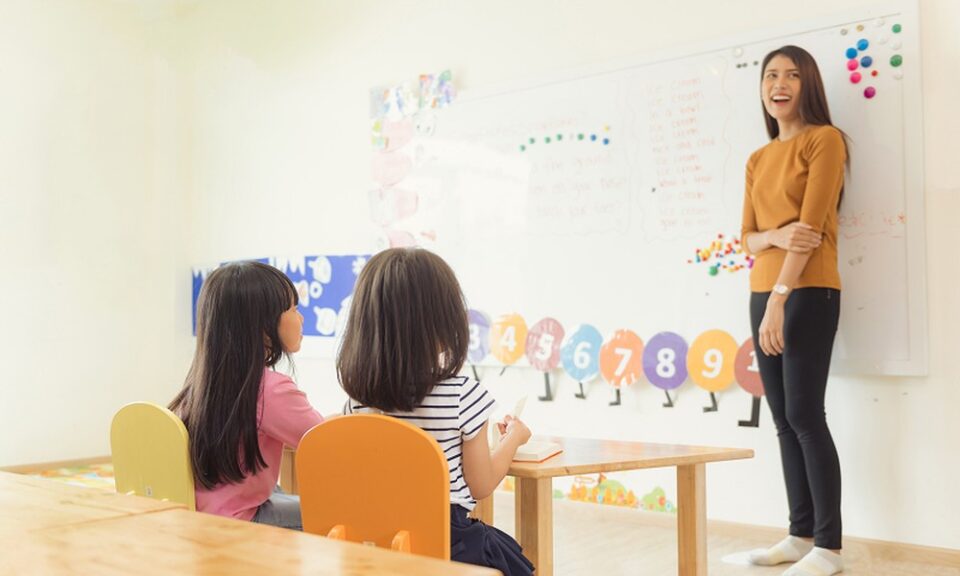
River Valley preschools maintain lower class sizes so that teachers can devote more time to mentoring each child through activities and discussions. This setup supports more frequent use of Mandarin in natural interactions, rather than limiting language practice to structured lessons. Teachers can observe progress more closely and adjust their approach based on individual needs. In other districts, larger class sizes require teachers to divide attention across more students, which changes how often each child receives direct guidance. While both settings follow structured learning plans, the level of interaction can feel different throughout the day, especially during group activities and play-based learning.
2. Curriculum Focus and Language Context
Curriculum design reflects the background of the student community and shapes how Mandarin is introduced and reinforced. In central areas, programmes often include broader cultural references that reflect a more international environment. This approach encourages children to use Mandarin in varied contexts, which supports flexible communication. In other districts, schools tend to focus on foundational skills such as vocabulary building and sentence structure, which creates a steady learning path. Both methods support language development, yet they emphasise different outcomes, which parents may notice over time as children begin to apply what they learn in everyday situations.
3. Enrichment Within Daily Schedule
A preschool in River Valley often includes enrichment activities in the daily routine, allowing children to use Mandarin beyond traditional lessons. Activities such as music, movement, and creative expression take place within school hours, which keeps learning consistent throughout the day. This structure helps children associate language with different types of engagement, making it easier to retain what they learn. In other districts, schools may offer enrichment separately, which requires additional planning outside regular schedules. This difference affects how often children encounter varied learning experiences and how easily these activities fit into daily routines.
4. Facilities and Learning Environment
The design of a learning environment influences how children move, explore, and interact during the day. Central preschools tend to invest in updated facilities that support a wider range of activities within a controlled space. These environments allow teachers to vary lessons without leaving the classroom setting, which keeps transitions smooth. In other districts, schools focus on practical layouts that support core activities without additional features. While both environments meet educational standards, the range of available resources can affect how lessons are delivered and how children respond to different types of activities.
5. Parent Community and Expectations
Parent communities shape how schools communicate and adapt their programmes. In central areas, families often come from varied cultural and professional backgrounds, which influences expectations around language use and curriculum design. Schools respond by maintaining flexible communication styles and offering programmes that reflect these expectations. In other districts, communities tend to share more similar backgrounds, which creates a different dynamic in how schools engage with parents. These differences can influence how feedback is shared and how parents participate in their child’s learning process over time.
6. Fees and Programme Flexibility
Cost structures reflect how schools design and deliver their programmes. A preschool in River Valley usually operates under a private model, which allows for more flexible offerings but results in higher fees. These programmes may include additional features within the standard schedule, which affect overall pricing. In other districts, schools often follow standardised frameworks that support wider accessibility. Parents can compare these structures to understand how pricing aligns with what each school provides, which helps them balance expectations with practical considerations.
Conclusion
Preschool choices involve more than location, as each environment shapes how children experience early learning. Differences in class size, curriculum, and facilities influence how language develops over time. When parents understand these factors, they can choose a setting that supports their child’s comfort and growth. Careful comparison allows families to make decisions that align with both educational goals and daily routines.
Visit Orange Tree Preschool to learn how a preschool in River Valley can support your child’s Mandarin development.
