
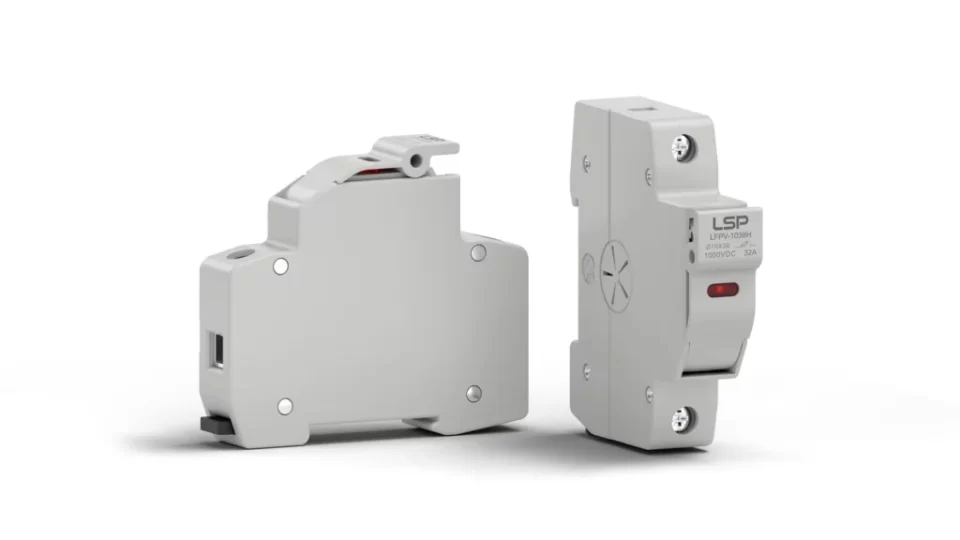
Fuse holders are critical components in electrical systems, serving as protective elements that ensure the integrity and safety of circuits. They house fuses, which are designed to interrupt the flow of electrical current in case of overloads or faults. By doing so, fuse holders contribute to circuit protection, system reliability, and safe electrical distribution across various industries.
The primary function of a fuse holder is to provide a secure and accessible way to install and replace fuses. This accessibility is vital for maintenance and safety, allowing technicians to quickly address any electrical issues that may arise. In addition to protecting circuits, fuse holders also help prevent potential hazards, such as electrical fires, by ensuring that fuses operate correctly and are easily replaceable.
Types of fuse holders
The market offers a range of fuse holders, each designed to accommodate different types of fuses and applications. Understanding the various types can assist electrical engineers and procurement professionals in selecting the appropriate holder for their specific needs.
1. Blade fuse holders
Blade fuse holders are commonly used in automotive and electronic applications. They feature a design that allows for easy insertion and removal of blade-type fuses, making them ideal for environments where rapid replacement is necessary.
2. Cartridge fuse holders
Cartridge fuse holders are designed for cylindrical fuses and are often used in industrial and commercial settings. These holders provide a secure fit and are available in various sizes to accommodate different fuse ratings. Their robust design ensures reliable performance even in demanding conditions.
3. PCB-mounted fuse holders
Printed circuit board (PCB)-mounted fuse holders are essential in electronics design. They allow fuses to be mounted directly onto circuit boards, saving space and improving reliability. This type is particularly useful in compact devices where traditional fuse holders may not fit.
Applications of fuse holders in various industries
Fuse holders find applications across multiple sectors, including automotive, industrial, and consumer electronics. Their versatility and reliability make them essential components in ensuring electrical safety and system performance.
1. Automotive industry
In the automotive sector, fuse holders protect critical electrical systems from overloads and short circuits. They are designed to withstand vibrations and environmental factors, ensuring that vehicles operate safely and efficiently.
2. Industrial applications
In industrial settings, fuse holders are crucial for protecting machinery and equipment. They help maintain operational continuity by allowing for quick fuse replacement, minimizing downtime during maintenance.
3. Consumer electronics
For consumer electronics, fuse holders play a vital role in ensuring product safety. They protect sensitive components from electrical faults, contributing to the overall reliability and longevity of electronic devices.
Selecting a reliable fuse holder supplier
When sourcing fuse holders, it is essential to consider reputable fuse holder manufacturers. A reliable supplier ensures that the products meet industry standards for safety and performance. Factors to consider when choosing a supplier include product quality, range of offerings, and support services.
The importance of fuse holders in electrical safety
Fuse holders are essential in maintaining electrical safety and system reliability. By understanding the different types and their applications, professionals in the electrical field can make informed decisions when selecting components for their projects. Reliable fuse holder suppliers are crucial partners in ensuring that electrical systems operate safely and efficiently. Through proper selection and use of fuse holders, industries can enhance their circuit protection strategies and minimize risks associated with electrical failures.
