
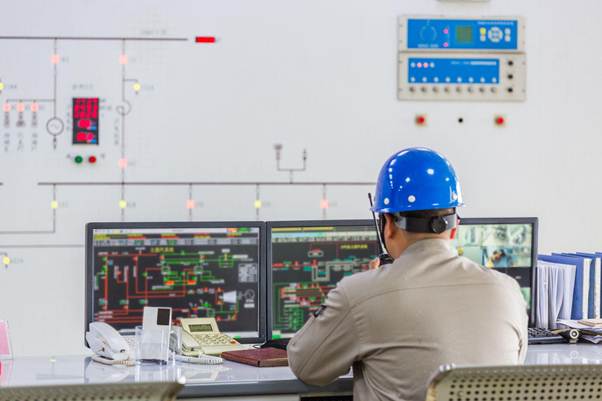
The idea of returning to school might feel daunting for many working professionals. Yet, taking a part-time diploma in engineering has become one of the most practical ways to move up the career ladder without putting life on hold. It’s not a walk in the park; there are late nights, long hours, and weekends lost to assignments, but those who stick it out often find the effort worth every sleepless evening. The blend of theory, hands-on practice, and professional growth makes it one of the most rewarding investments for anyone serious about advancing in the field.
The Commitment Behind Part-Time Engineering Studies
Signing up for a part-time diploma in engineering isn’t about dabbling in something new; it’s about committing to years of structured learning while maintaining a full-time job. Classes usually take place after office hours or over the weekend, and the syllabus isn’t watered down. Students dive into modules on circuit theory, power systems, and design principles that demand focus and problem-solving.
Those enrolled in electrical engineering courses quickly realise that these subjects can’t be mastered by reading notes alone. You’ll spend evenings poring over wiring diagrams, troubleshooting circuits that refuse to cooperate, or programming logic controllers that simulate real-world automation systems. It’s intense, sometimes frustrating, but undeniably fulfilling. Every lab session or group project adds another layer of technical understanding that translates directly to the workplace. The biggest lesson? You can’t just memorise engineering; you have to live it.
Balancing Work, Study, and Life
Ask anyone pursuing a part-time diploma in engineering, and they’ll tell you the toughest part isn’t the coursework—it’s time. Juggling deadlines from both work and school can push even the most organised individual to their limits. It takes real grit to switch gears and focus on lectures or assignments after a long day at the job site or in the office.
Fortunately, many training providers understand this reality. Modern electrical engineering courses now come with modular learning, online components, and flexible timetables to accommodate working adults. But the balance still takes discipline. It means planning ahead, using every bit of downtime wisely, and learning to say no to certain social commitments. The small sacrifices add up, but so do the rewards. Many find that what they learn in class reinforces what they do at work, turning everyday tasks into hands-on lessons that deepen their technical confidence.
Some employers even support this journey by sponsoring tuition or offering study leave. After all, upskilled engineers bring new capabilities back to the company. It’s a win-win for both sides when learning translates into better performance on-site or in the workshop.
What to Expect from the Programme
There’s a misconception that “part-time” means “easier.” In truth, these programmes are just as rigorous as full-time diplomas—only stretched out over a longer timeline. Students can expect to cover the same ground: electrical circuits, instrumentation, control systems, and even newer subjects such as smart grid technologies and renewable energy systems.
Hands-on training remains a big part of the curriculum. Lab work allows students to apply what they’ve learned, whether that means wiring panels, calibrating sensors, or performing diagnostic tests on complex systems. This practical element builds not just technical competence, but confidence—something no textbook can replace. In a sense, every class becomes a rehearsal for real-world problem-solving, something employers across Singapore’s engineering sector value deeply.
The Career Payoff
Yes, it’s hard work. But completing a part-time diploma in engineering can change the trajectory of your career. The city-state’s push for sustainability, automation, and smart infrastructure means skilled engineers are constantly in demand. A diploma can lead to supervisory or specialist roles in sectors like electrical maintenance, facilities management, and renewable energy.
Graduates of electrical engineering courses often find themselves more adaptable, ready to tackle new technologies or pursue higher qualifications such as advanced diplomas or degrees. Beyond technical knowledge, the experience builds perseverance and self-discipline—qualities that employers notice immediately. Finishing a programme like this sends a clear message: you’re serious about growth, capable of handling pressure, and committed to mastering your craft.
Conclusion
Taking a part-time diploma in engineering is no small feat; it’s a test of patience, resilience, and long-term vision. But for working adults who dream of levelling up in their careers, it’s one of the smartest paths forward. The late nights eventually give way to new skills, better opportunities, and a deeper sense of accomplishment. Remember, in a profession built on precision and progress, investing in education is more than just an upgrade; it’s a statement of intent.
Visit PSB Academy to advance your career without stepping away from your job.
