
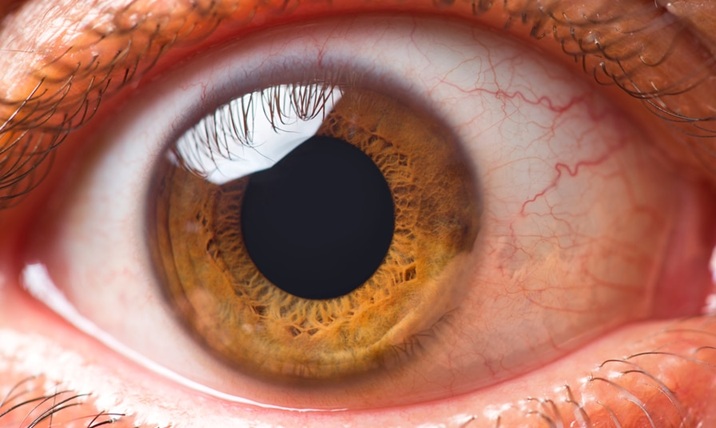
Eye floaters represent one of the most common visual phenomena experienced as the vitreous gel undergoes natural changes with age. These moving spots, threads, or cobweb-like shapes appear in the field of vision and become more noticeable against bright backgrounds or clear skies. The vitreous chamber contains a clear gel that gradually changes consistency and composition over time, forming visible particles that cast shadows on the retina. Most floaters result from normal aging processes rather than severe eye conditions, though sudden increases warrant professional evaluation. Supporting macuhealth vitreoushealth can help maintain optimal gel composition as these natural changes occur.
Shadow factory
Eye floaters develop when proteins within the vitreous gel begin to clump together, creating visible strands or particles that move with eye movements. These protein aggregations form naturally as the gel structure changes from its original uniform consistency to a more liquid state with floating debris. The transformation process typically begins in middle age when the vitreous shrinks and pulls away from the retinal surface. This shrinkage creates pockets of liquid within the gel matrix, allowing protein fibres to cluster and become visible as they float within the eye’s interior chamber.
Visual hitchhikers
Eye floaters appear in various shapes and sizes depending on the type and location of vitreous changes occurring within the gel matrix. Some people notice small dots or specks, while others see larger, more complex shapes that move across their visual field during daily activities.
- Thread-like floaters often result from collapsed vitreous fibres that bunch together into long, stringy formations visible during eye movements
- Dot-shaped floaters typically form from small protein clumps that create circular or oval shadows when light passes through the vitreous chamber
- Cobweb patterns develop when multiple protein strands connect to form more complex networked structures within the gel matrix
- Ring-shaped floaters may appear when the vitreous detaches from the optic nerve head, creating a circular shadow formation
- Cloud-like formations occur when larger areas of gel become less transparent due to widespread protein aggregation or cellular debris
Floaters’ appearance and movement patterns provide information about the type of vitreous changes occurring, though professional evaluation remains essential for proper assessment of any new or changing visual phenomena.
Gel preservation tactics
Maintaining optimal vitreous health may help slow the progression of gel changes that contribute to floater formation, though complete prevention remains unlikely due to natural ageing processes that affect all body tissues over time.
- Antioxidant compounds help protect vitreous proteins from oxidative damage that could accelerate gel breakdown and increase floater formation rates
- Hydration support maintains proper gel consistency and may help preserve the original vitreous structure for more extended periods during the ageing process
- Anti-inflammatory nutrients may help reduce inflammatory processes that could contribute to accelerated vitreous changes and protein aggregation
- Collagen support supplements might help maintain the structural integrity of vitreous fibres and delay their breakdown into visible floater formations
- Circulation enhancement nutrients support blood flow to eye tissues that interface with the vitreous chamber during nutrient exchange processes
These nutritional approaches focus on supporting overall vitreous health rather than treating existing floaters, which typically remain permanent once formed within the gel matrix. Eye floaters and vitreous changes help people distinguish between everyday ageing phenomena and situations requiring professional attention while supporting long-term eye health through appropriate nutritional and lifestyle approaches.
